
On May 30th, the inaugural meeting of National Consortium for Industry-Education Integration of Hazardous Chemicals Safety and Smart Production was held in our school, which was jointly sponsored by Sinopec Shanghai Petrochemical Co., Ltd., East China University of Science and Technology and Shanghai Modern Chemical Industry Vocational College.
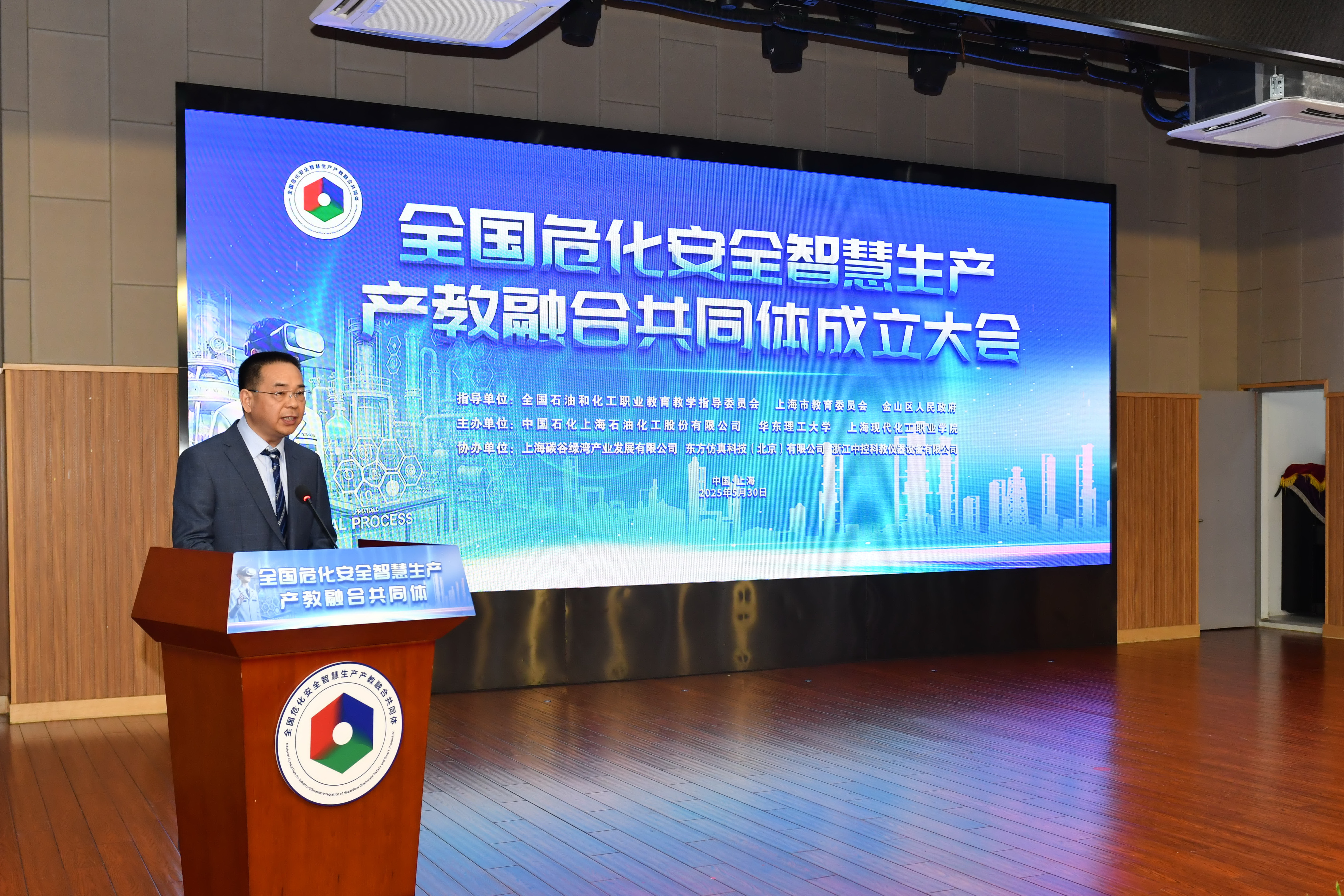
Zhao Zhen, deputy director of Shanghai Municipal Education Commission, Yu Hongjun, director of the National Petroleum and Chemical Vocational Education and Teaching Steering Committee and Pan Enhua, vice governor of Jinshan, Li Chunzhong, vice president of East China University of Science and Technology, Ruan Bin, deputy chief engineer, director of Party Committee Organization Department and general manager of Human Resources Department of Shanghai Petrochemical Company, Ma Jun, deputy director of Vocational Education Department of Shanghai Municipal Education Commission, Jin Tao, director of Jinshan Education Bureau, Li Songhao, deputy director, and Chen Xiaobin, president of Shanghai Modern Chemical Industry Vocational College, along with experts, teachers and students from 145 universities, vocational colleges, trade associations and enterprises all over the country, attended the meeting. Gao Ju, Party Secretary of Shanghai Modern Chemical Industry Vocational College, presided over the inaugural meeting.
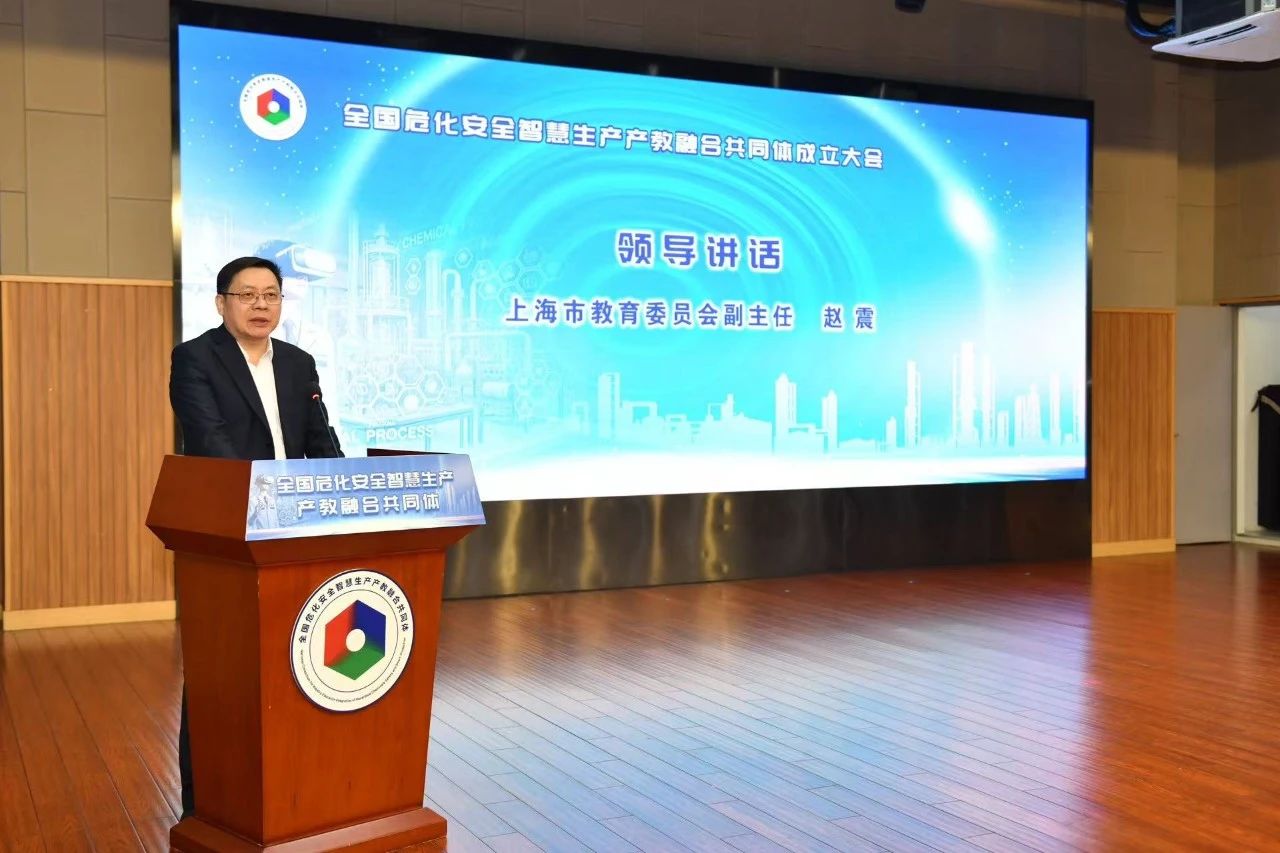
Zhao Zhen pointed out that the establishment of National Consortium for Industry-Education Integration of Hazardous Chemicals Safety and Smart Production is an important measure to implement the decision-making and deployment of national vocational education reform, which is of great significance to promoting high-quality development of the chemical industry. As an important city boasting chemical industry, Shanghai shoulders heavy responsibility of leading the industrial development. First, he hoped the consortium should adhere to the demand orientation and serve the overall situation of social and economic development. It should closely meet the needs of the chemical industry, optimize specialty settings and personnel training programs, focus on key areas such as hazardous chemicals safety and smart production, and build a characteristic specialty group. Second, we must deepen the integration of production and education, build a new ecology of collaborative education, construct a four-way linkage mechanism of "government, industry, enterprise and school", promote the joint construction and sharing of platform resources such as training bases and R&D centers between schools and enterprises, and carry out technical research and transformation of achievements. Third, we should strengthen connotation construction and improve the quality and level of running schools. Strengthen the construction of teaching staff, deepen the reform of education and teaching, improve the quality guarantee system, continuously improve the level of running schools, and make greater contributions to vocational education and regional economic and social development.
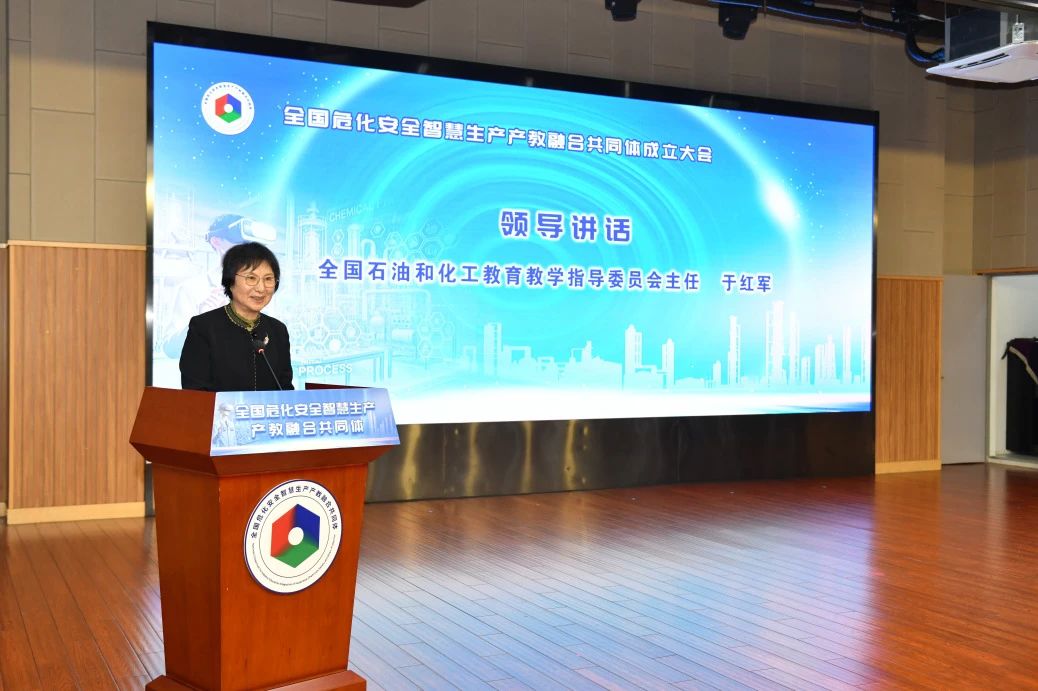
Yu Hongjun pointed out that the petroleum and chemical industry, as the foundation and pillar industry of the national economy, has become the core driving force for the development of the industry when faced with many challenges such as safety, technology and talents. She stressed that the establishment of the consortium of production and education is the need of industry development, and it is also an active exploration to promote the deep integration of production and education. She affirmed the advantages of the three initiating units in their respective fields, and hoped to build a new model of "four-chain collaboration" by integrating resources from all sides, promote the combination of "Industry-University-Research-Application" and promote technology transformation and resource sharing. She said that the National Petroleum and Chemical Vocational Education and Teaching Steering Committee will continue to support the development of the consortium, and expects all member units to jointly explore and innovate, form a replicable experience of integration of production and education, inject momentum into the high-quality development of hazardous chemicals industries, and help realize the national strategy and industrial upgrading goals.
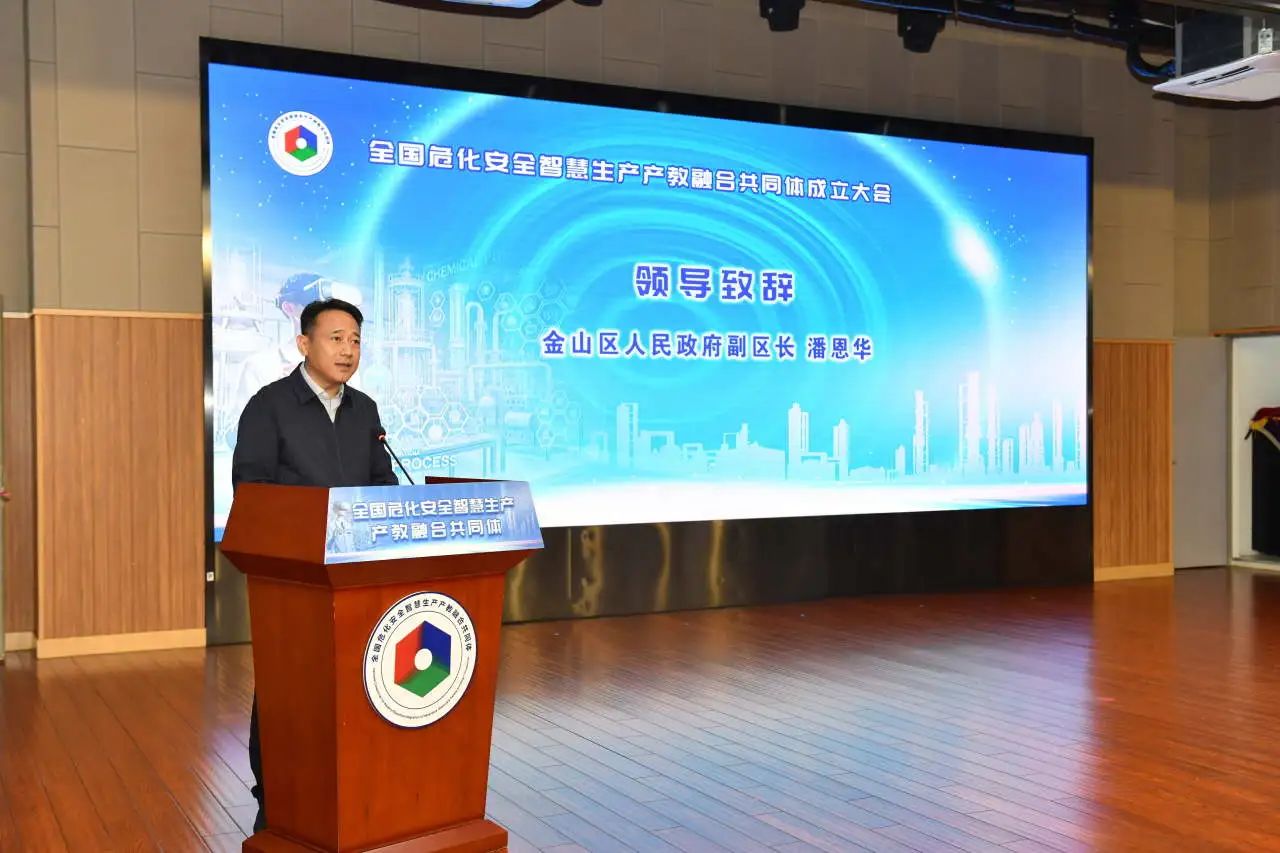
In his speech, Pan Enhua reviewed the development of Jinshan chemical industry, and pointed out that Shanghai Modern Chemical Industry Vocational College, relying on the advantages of regional industries, built a characteristic school-running mode of "specialty chain connecting with industry chain" and built a number of national training bases, which laid the foundation for the establishment of the consortium. He said that Jinshan government will continue to optimize the policy environment, increase investment, and promote the resonance between vocational education and industrial demand. It is hoped that the consortium will carry out joint research around hazardous chemicals safety and intelligent production, cultivate innovative and compound high-skilled talents, create a "Jinshan Model" for the integration of production and education, and provide experience for the high-quality development of the national chemical industry.
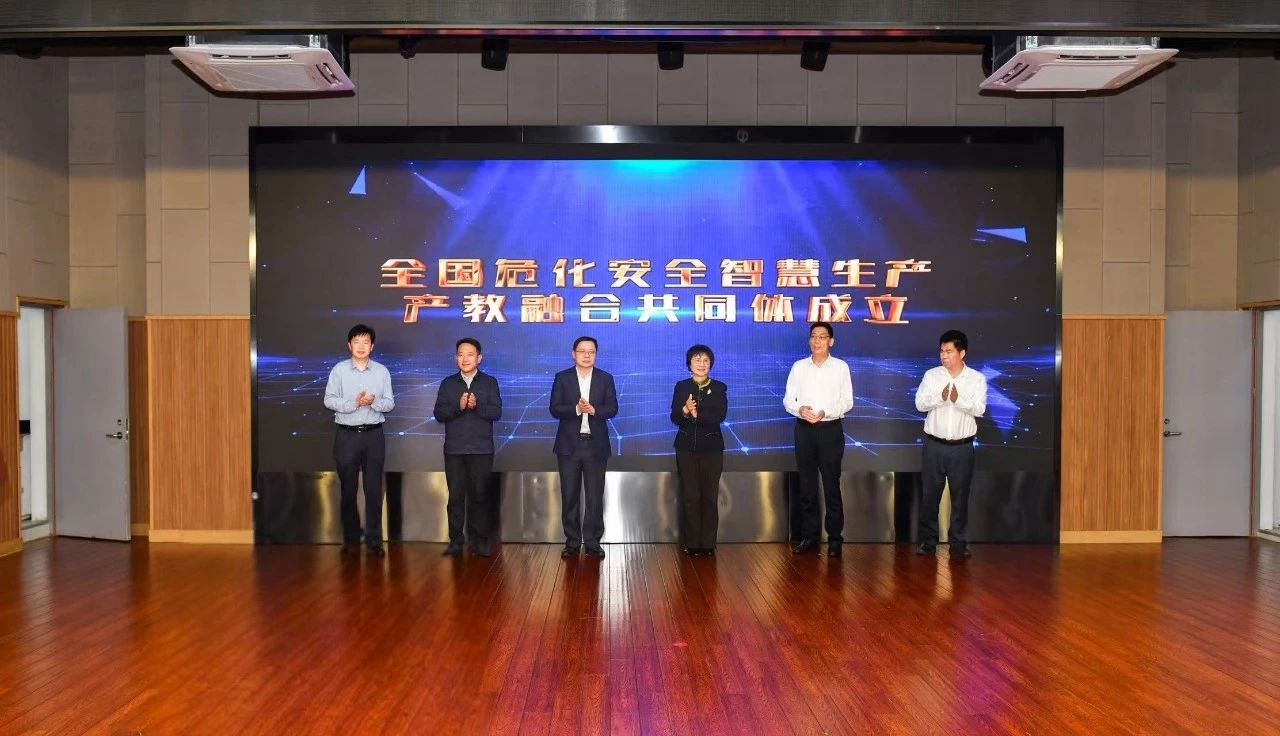
Under the witness of the guests present, six leaders including Zhao Zhen, Yu Hongjun, Pan Enhua, Li Chunzhong, Ruan Bin and Chen Xiaobin jointly pressed the start button, marking the formal establishment of National Consortium for Industry-Education Integration of Hazardous Chemicals Safety and Smart Production.
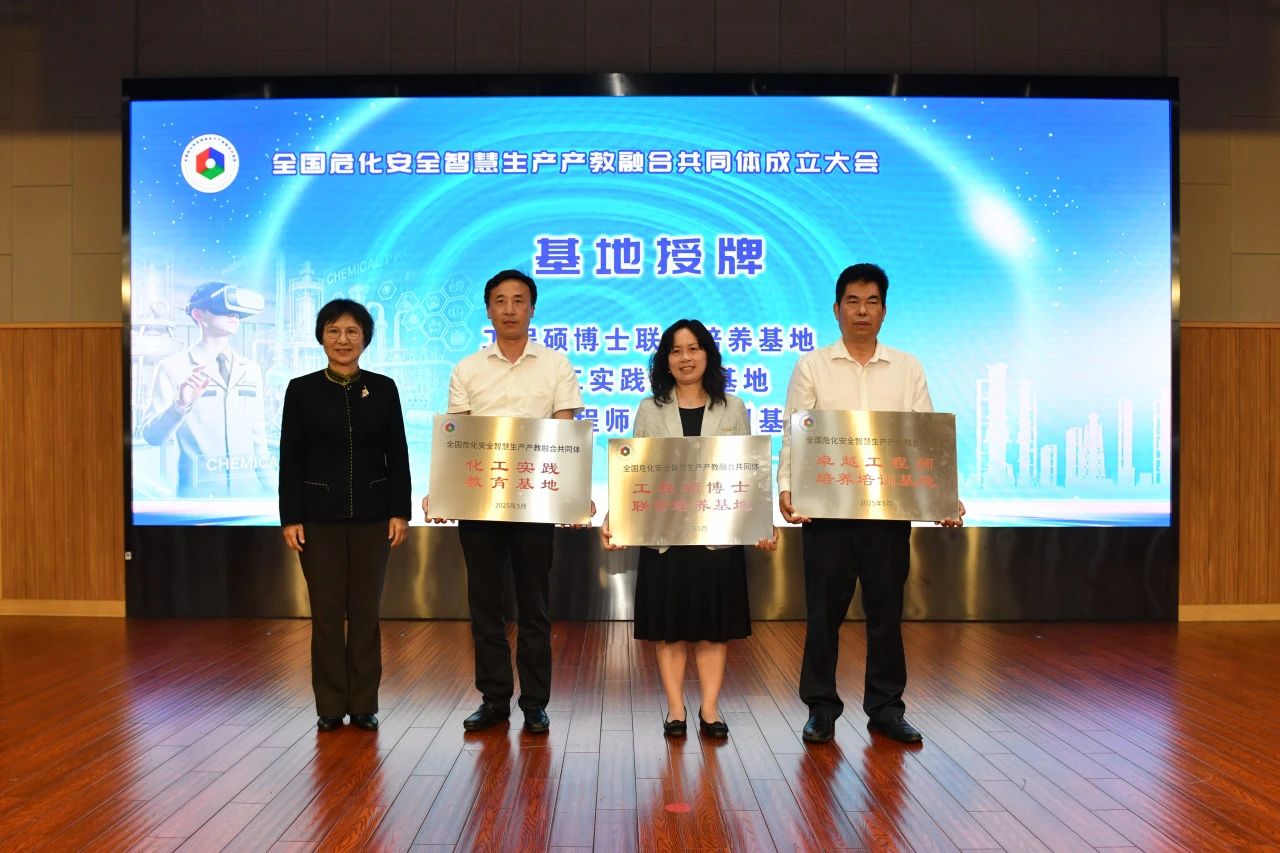
Yu Hongjun awarded the plaques of the Joint Training Base of Master and Doctor of Engineering, the Practice Education Base of Chemical Engineering and the Training Base of Outstanding Engineers to three initiating units respectively.
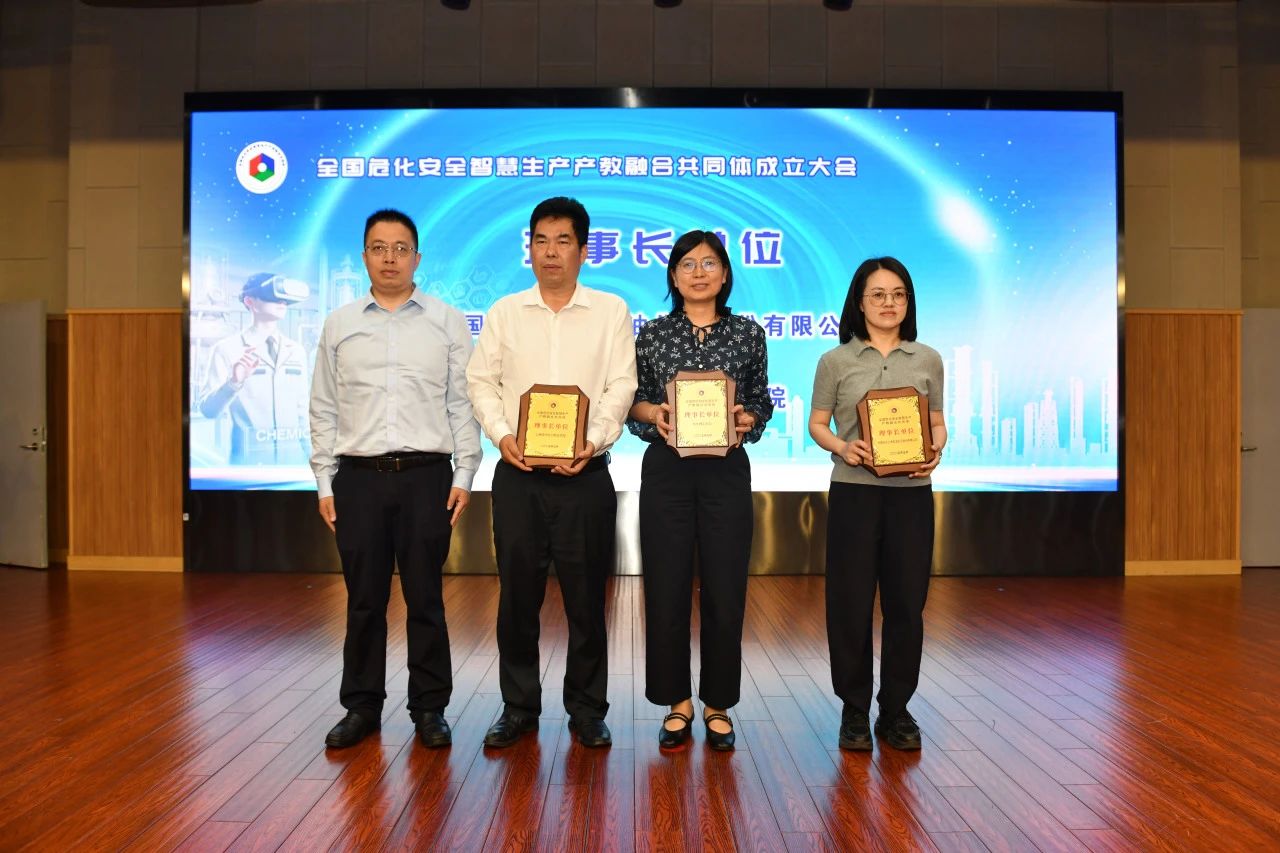
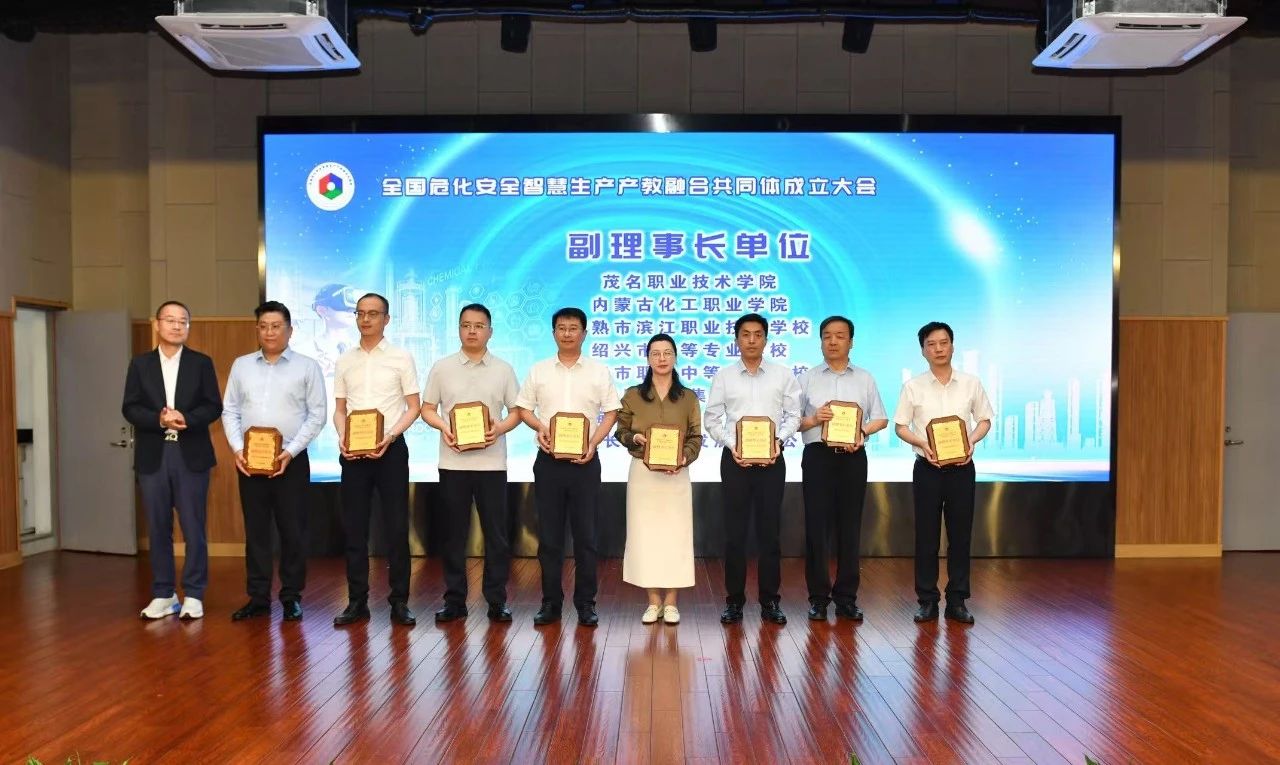
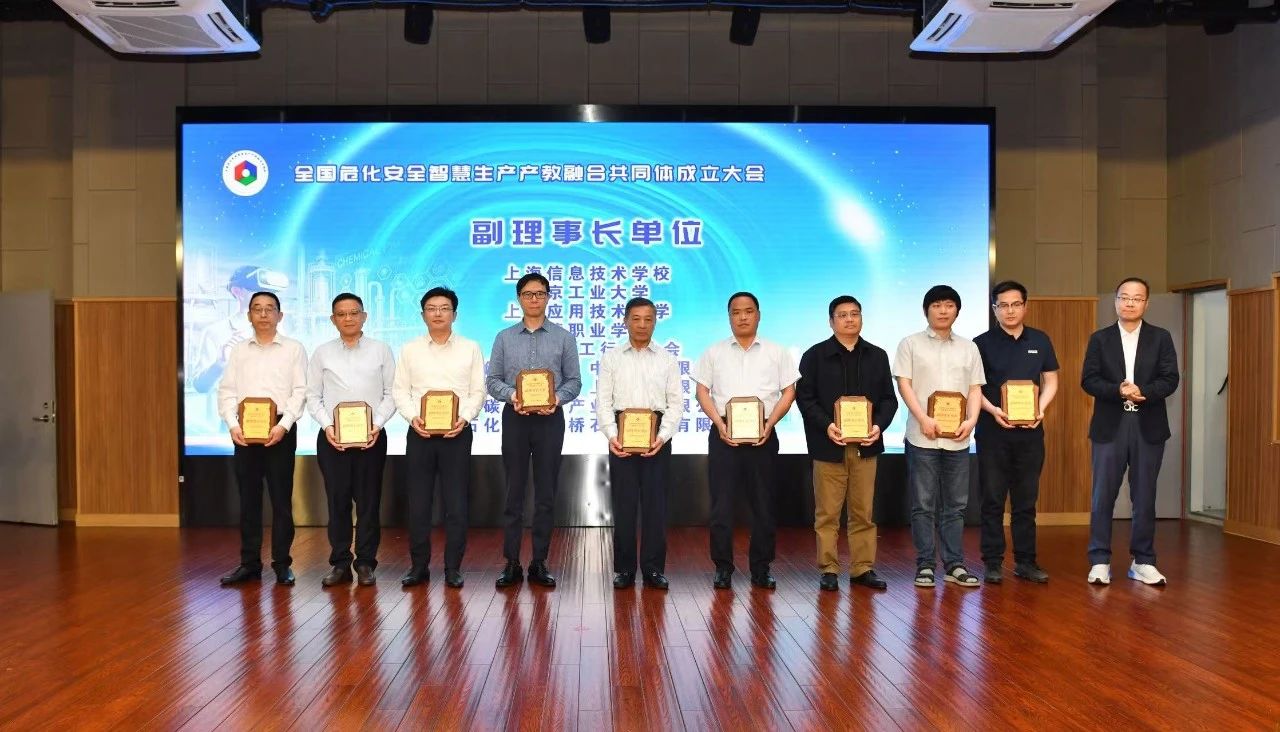
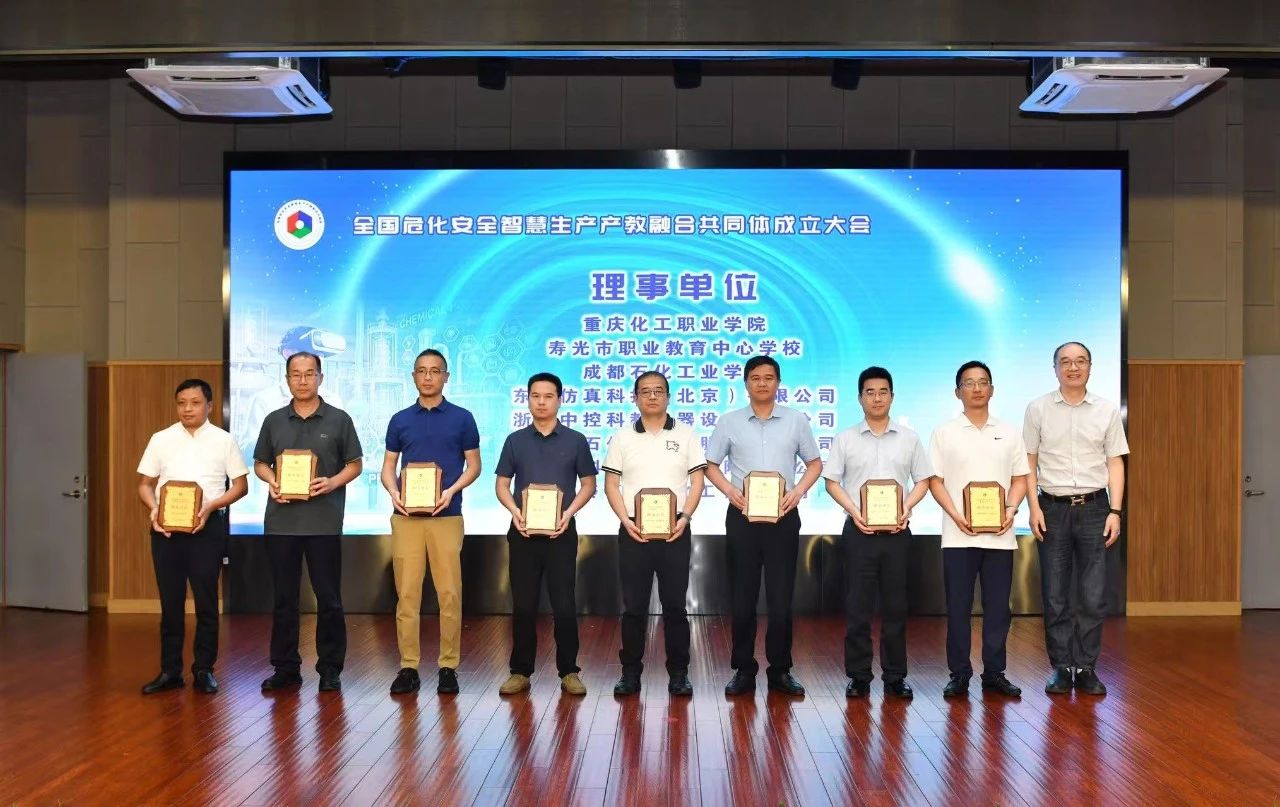
Ma Jun, deputy director of the Vocational Education Department of Shanghai Municipal Education Commission, presented the plaques to the chairman units; Jin Tao presented the plaques to the vice chairman units; Li Songhao presented the plaques to the member units.
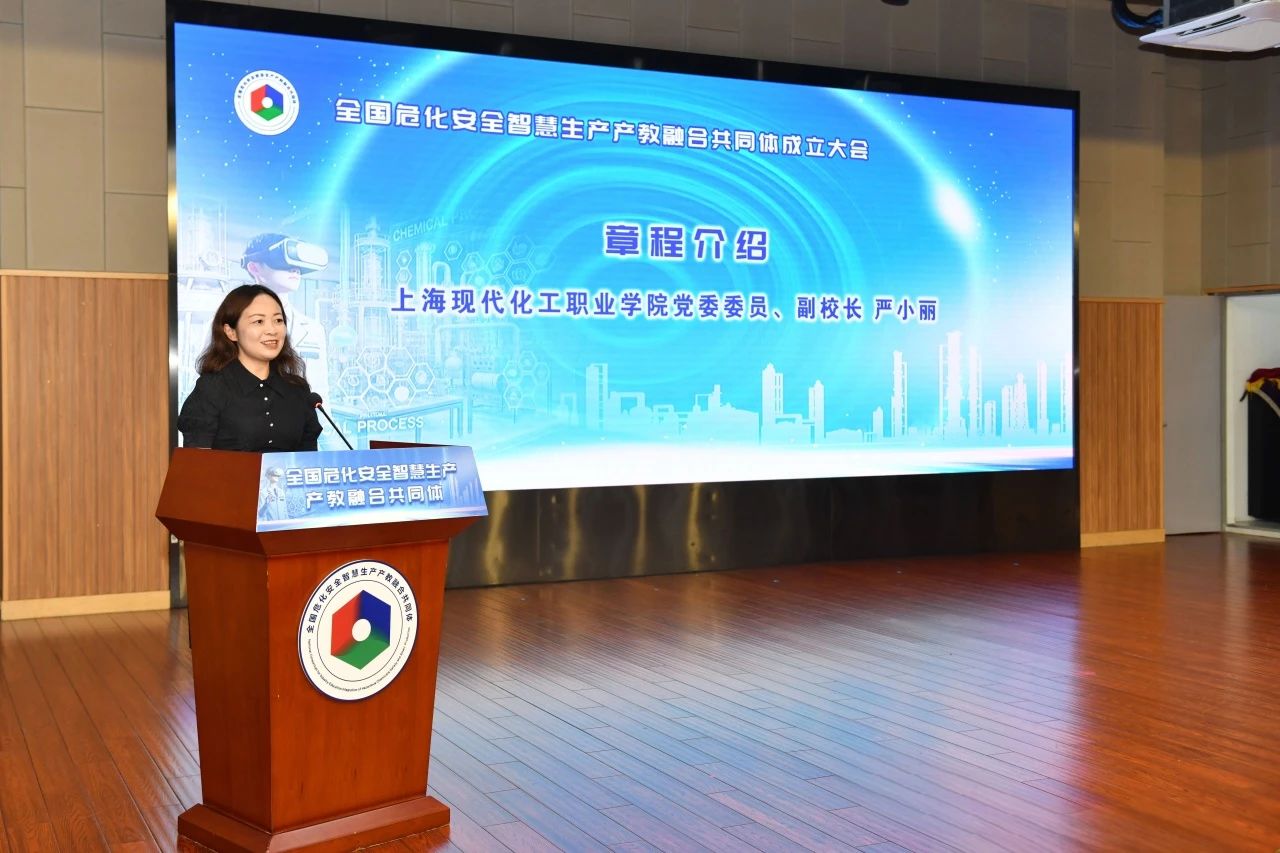
Yan Xiaoli, vice president of Shanghai Modern Chemical Industry Vocational College and secretary-general of the consortium, read out the articles of the constitution of the consortium, and made clear the purpose, organizational structure and operation mechanism of the consortium.
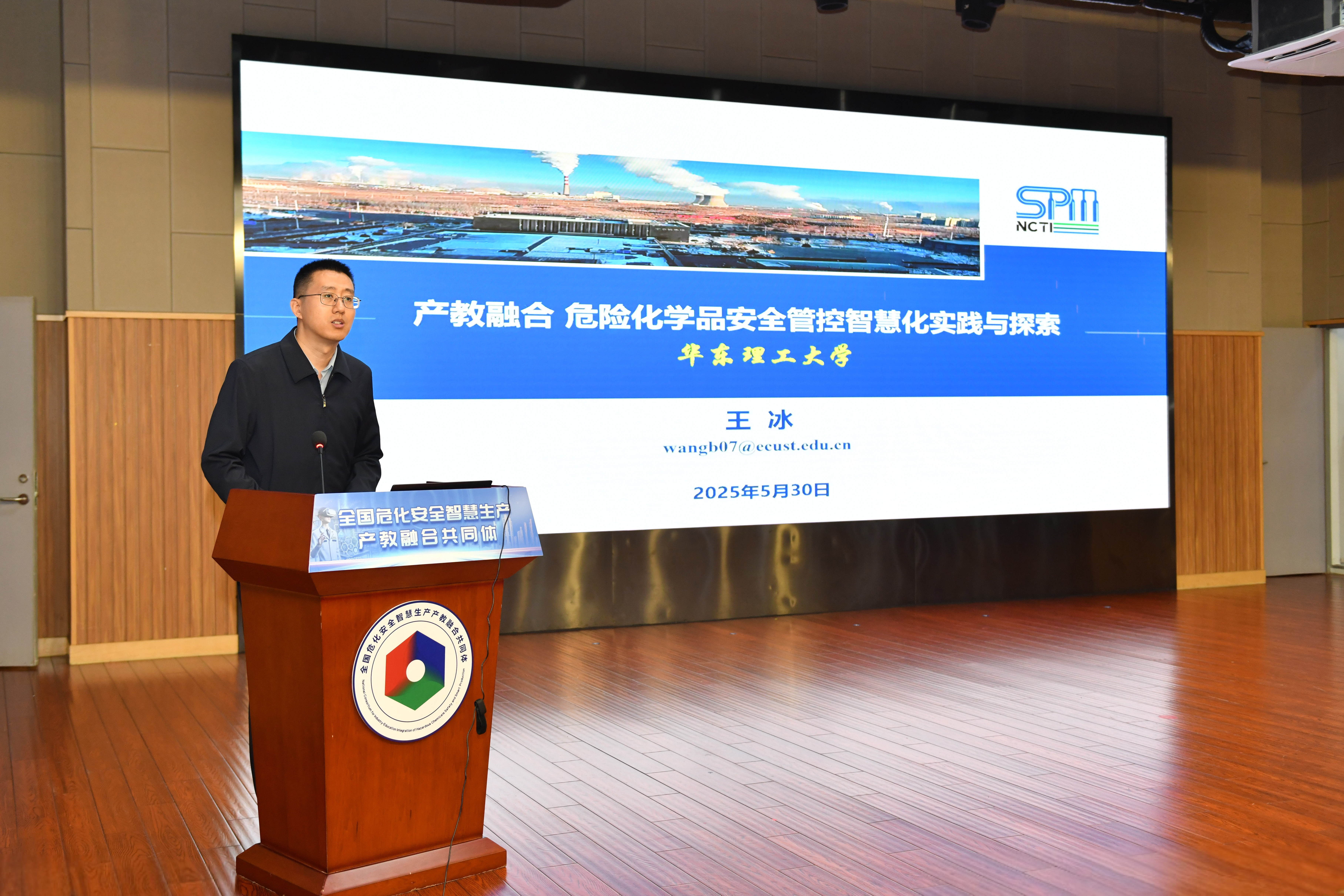
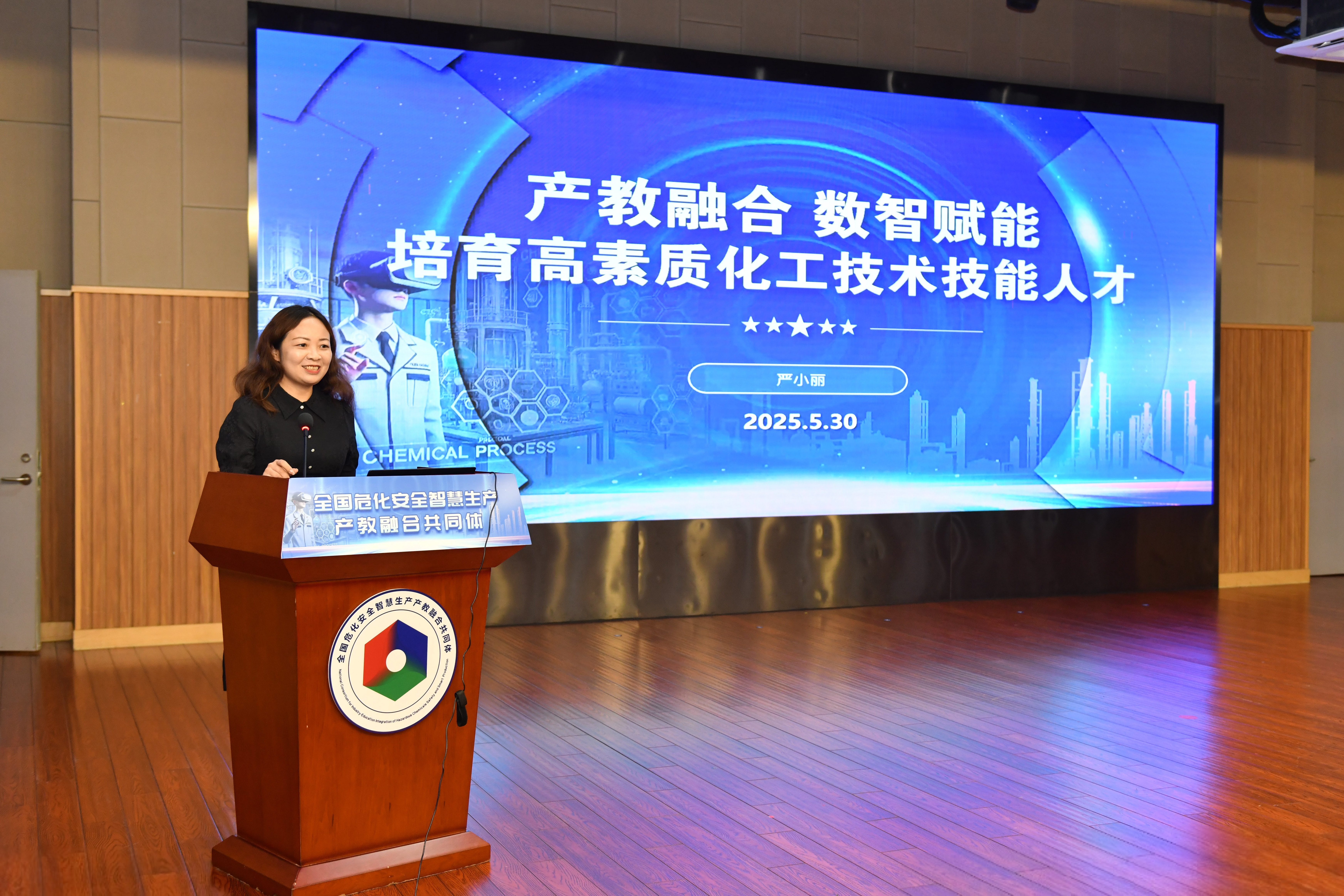
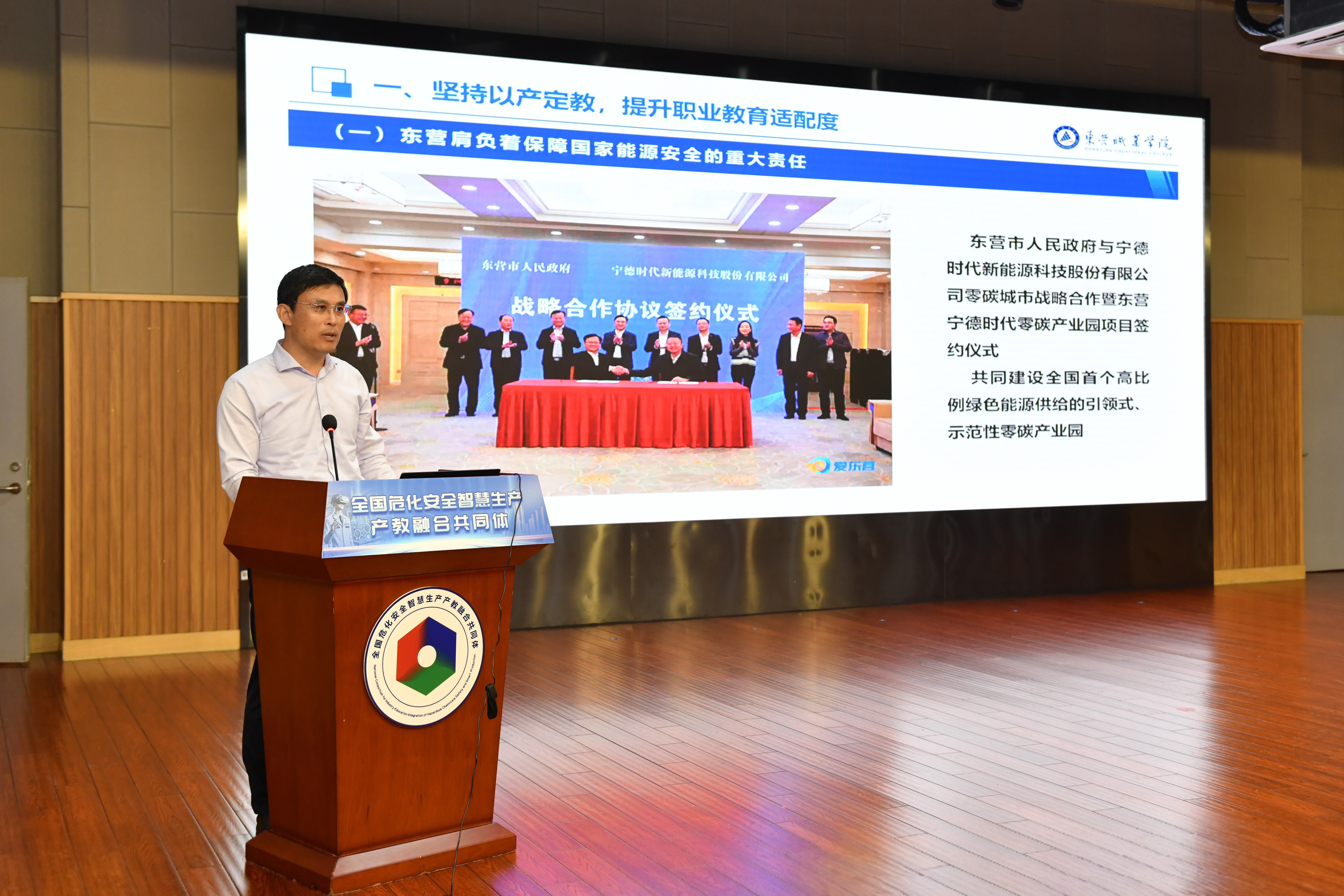
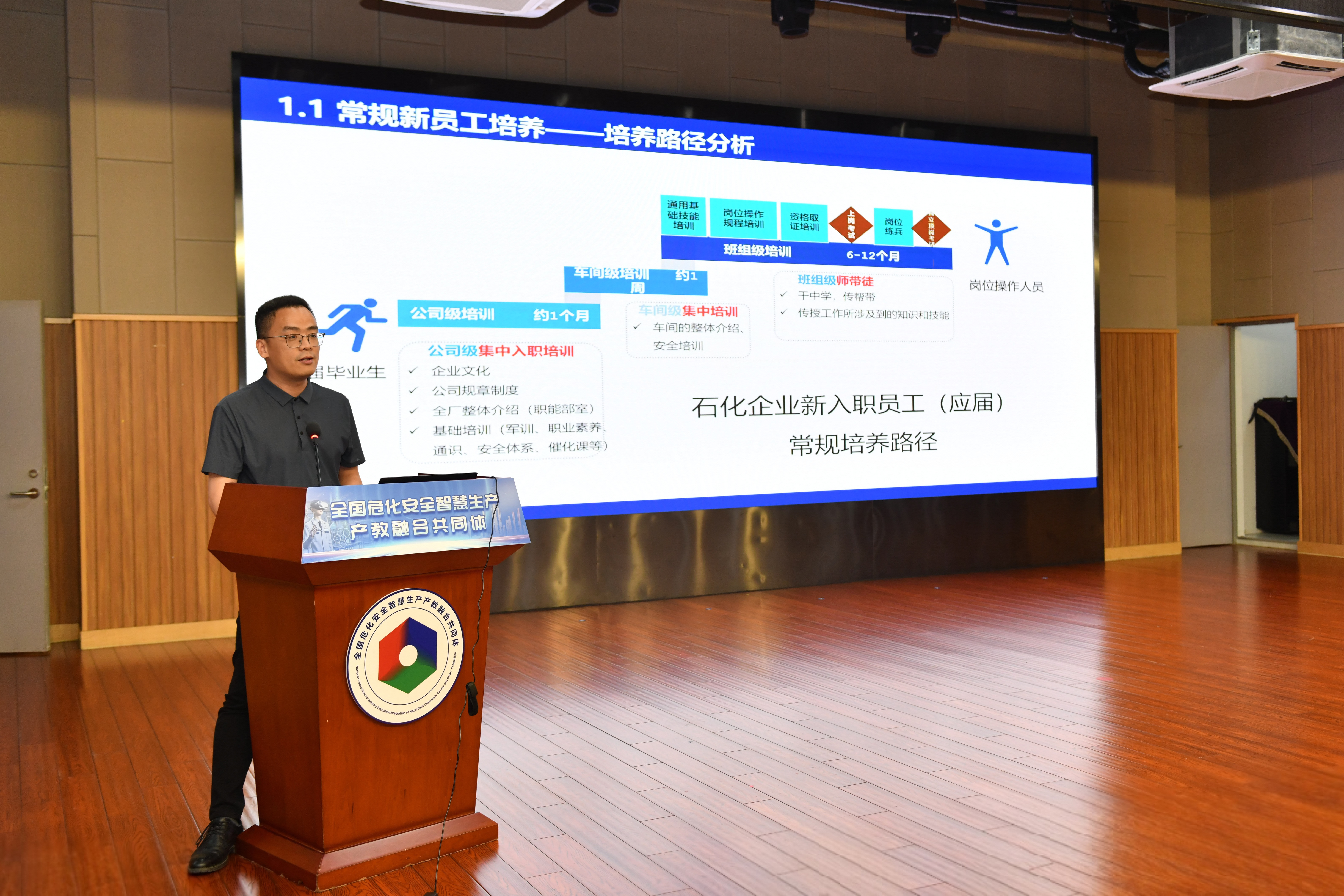
In keynote speech session, Professor Wang Bing of East China University of Science and Technology shared the experience of "Intelligent Practice and Exploration of Safety Management and Control of Hazardous Chemicals by Integration of Production and Education"; Yan Xiaoli, member of the Party Committee and vice president of Shanghai Modern Chemical Industry Vocational College, introduced the achievements of "Integrating Production and Education with Digital Intelligence to Cultivate High-quality Chemical Technicians"; Bi Yuhai, member of the Party Committee of Dongying Vocational Institute and chairman of the labor union, discussed the mode of "Two-way Empowerment of Production and Education to Build a New Ecology of Integration of Production and Education"; Li Daihua, vice president of East Simulation Software Technology, shared the practice of "Building a New Mode of Pre-service Skills Training for New Employees in Chemical Enterprises through School-enterprise Cooperation".
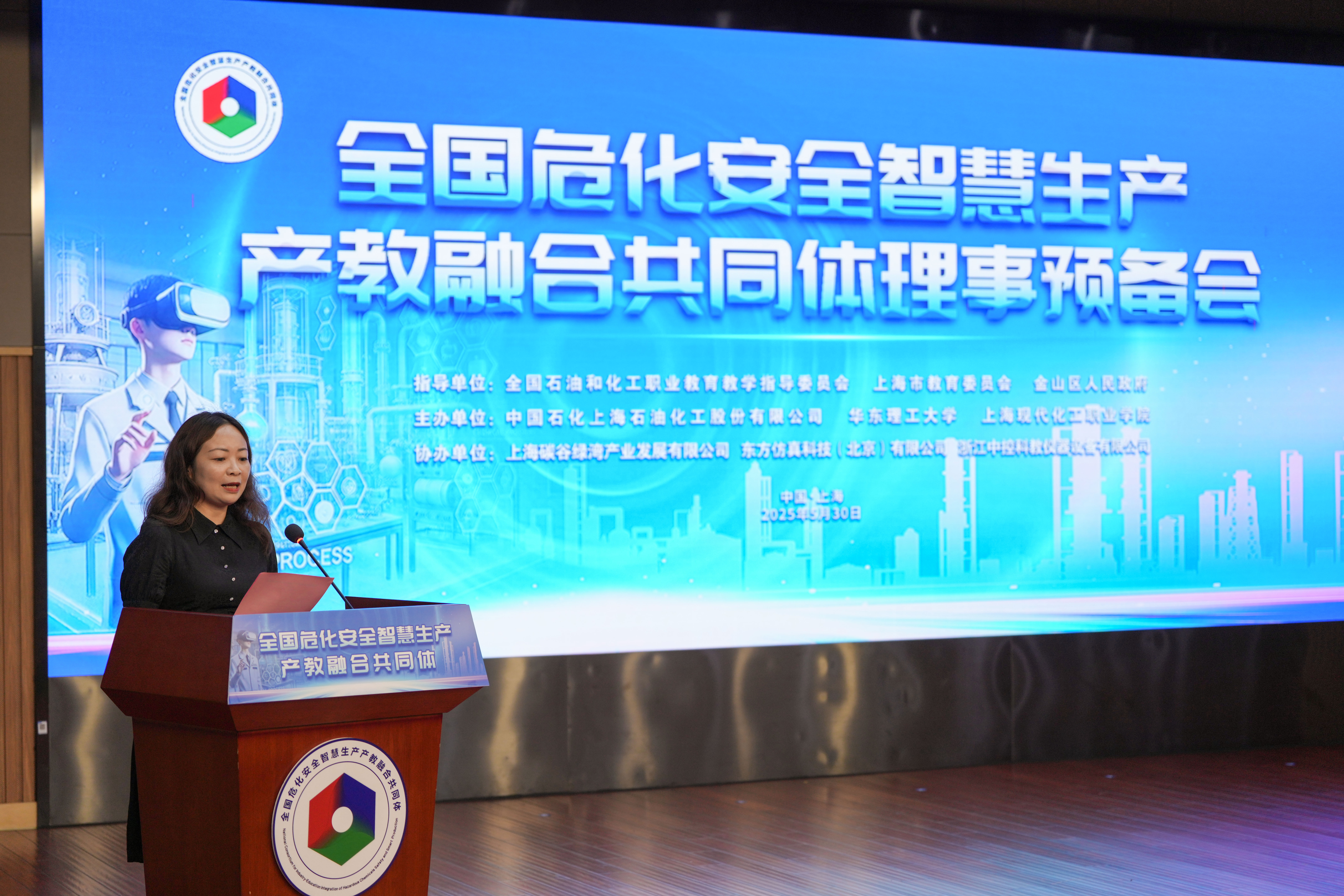
Before the ceremony, the preparatory meeting for the establishment of the consortium was held, and the Constitution of National Consortium for Industry-Education Integration of Hazardous Chemicals Safety and Smart Production was adopted, as well as the list of units of the consortium, including 3 chairman units, 17 vice chairman units and 125 member units.
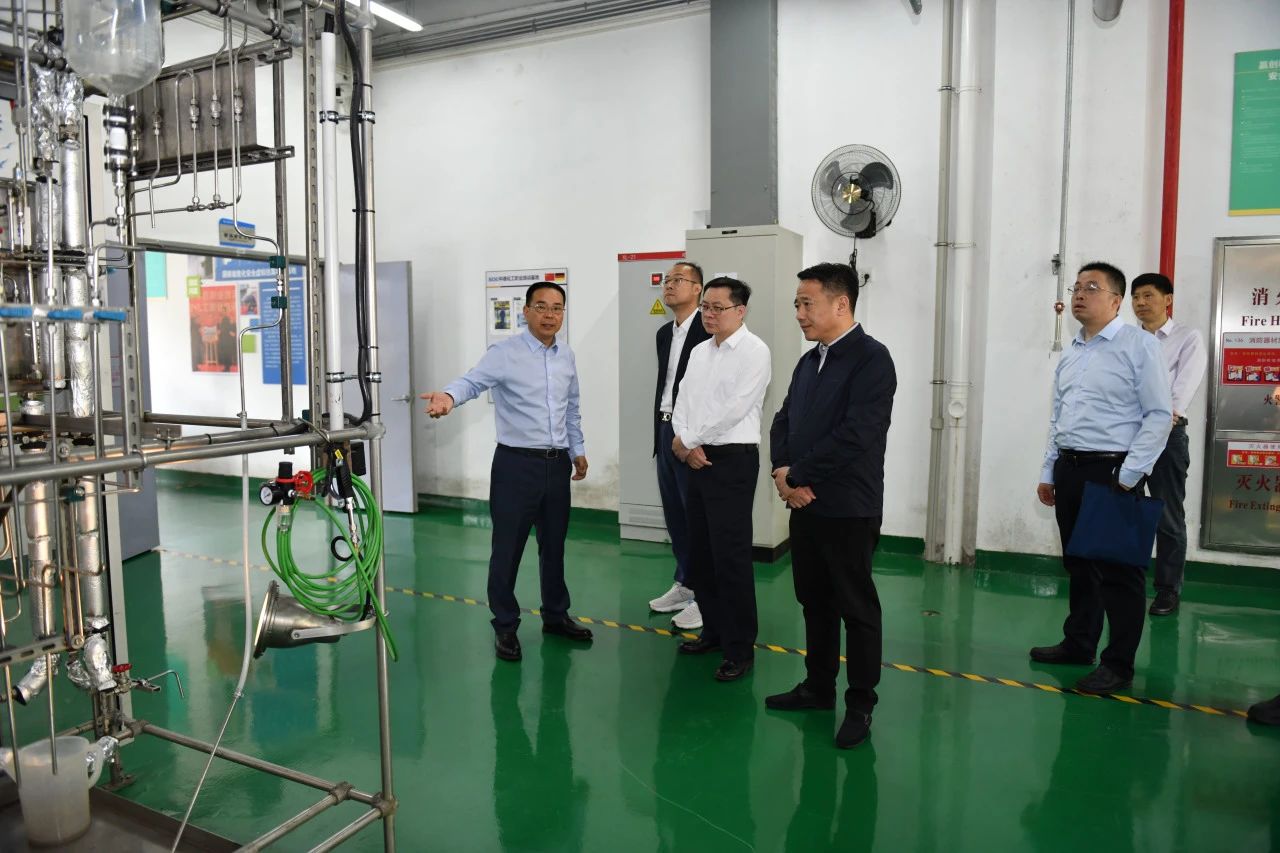
The guests visited the training base of Shanghai Modern Chemical Industry Vocational College.
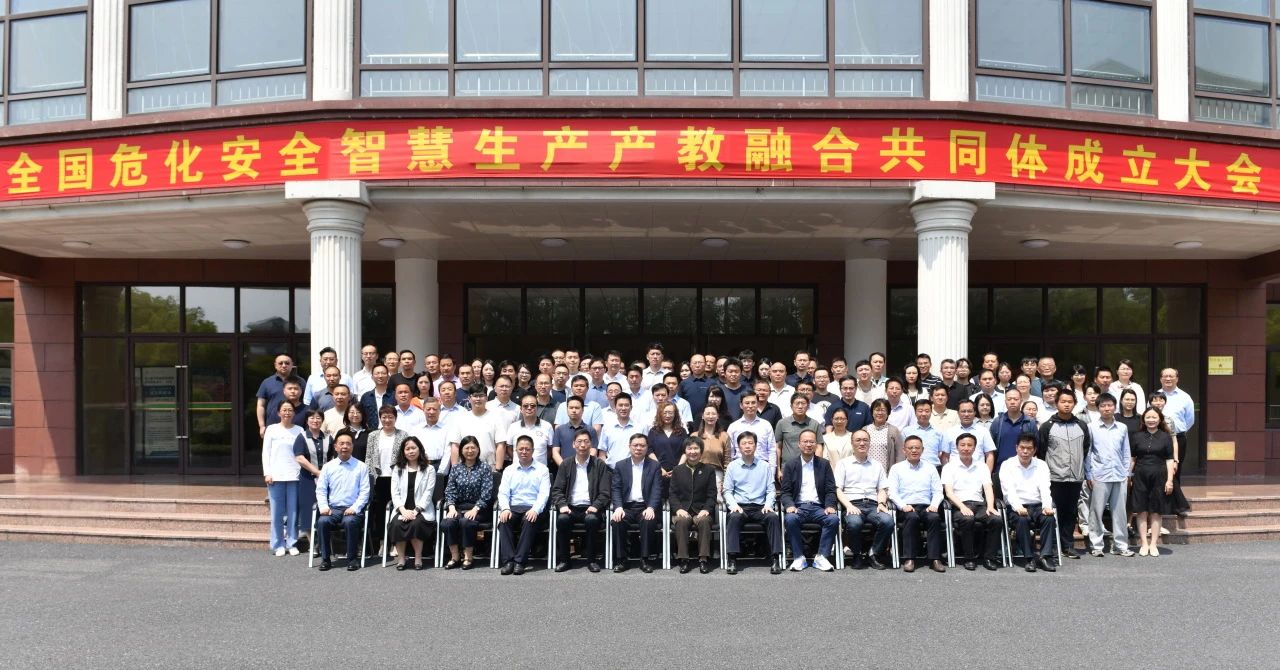
National Consortium for Industry-Education Integration of Hazardous Chemicals Safety and Smart Production will integrate the resources of universities, colleges, enterprises and industry organizations, and realize the precise connection between the education chain and the industry chain by jointly building training bases, jointly developing courses, sharing teaching staff and jointly researching scientific and technological innovation. The Consortium will strive to become a demonstration model of the integration of production and education, cultivate more high-quality professionals for the field of hazardous chemicals safety and smart production, promote the high-quality development of hazardous chemicals industry, and create a new chapter in the era of integration of production and education.