
On September 18th, Gu Jiawen, director of the Office of Jinshan Finance Bureau, Gu Leifan, director of the Office of Jinshan Education Bureau, and other people from the 3rd research group of the 19th Jinshan Young and Middle-aged Officials Training Class came to our school to carry out research activities on the integration of production and education. President Chen Xiaobin received the research group on behalf of the school.
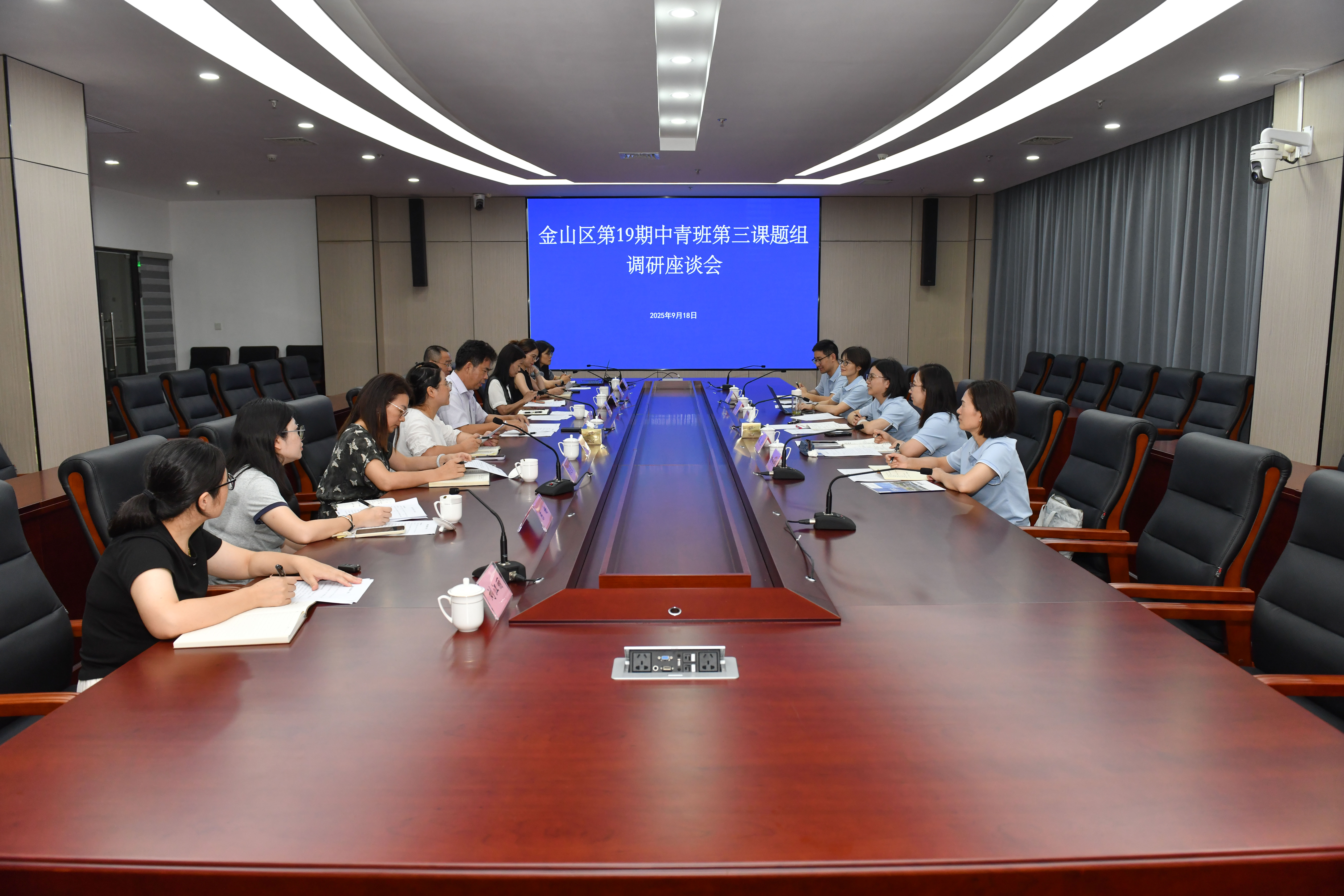
At the symposium, Chen Xiaobin gave a detailed introduction on the school's orientation, core practice and future vision. He pointed out that as the only public higher vocational college in Jinshan, the school has always adhered to the purpose of serving regional economic and social development, deepened the reform of education and teaching, promoted the integration of production and education, and cooperated with schools and enterprises, and devoted itself to cultivating high-quality technicians and technical talents. In recent years, the school has created the "Eight in One" educational paradigm in the integration of production and education and school-enterprise cooperation, and established close cooperative relations with many enterprises, which has achieved remarkable results and provided strong support for regional economic development.
The two sides conducted in-depth exchanges on the development path of vocational education, the innovation of school-enterprise cooperation mode, the docking of regional talent demand and talent training under the background of integration of production and education, and discussed how to further deepen school-enterprise cooperation, improve the quality of talent training and serve local economic and social development.
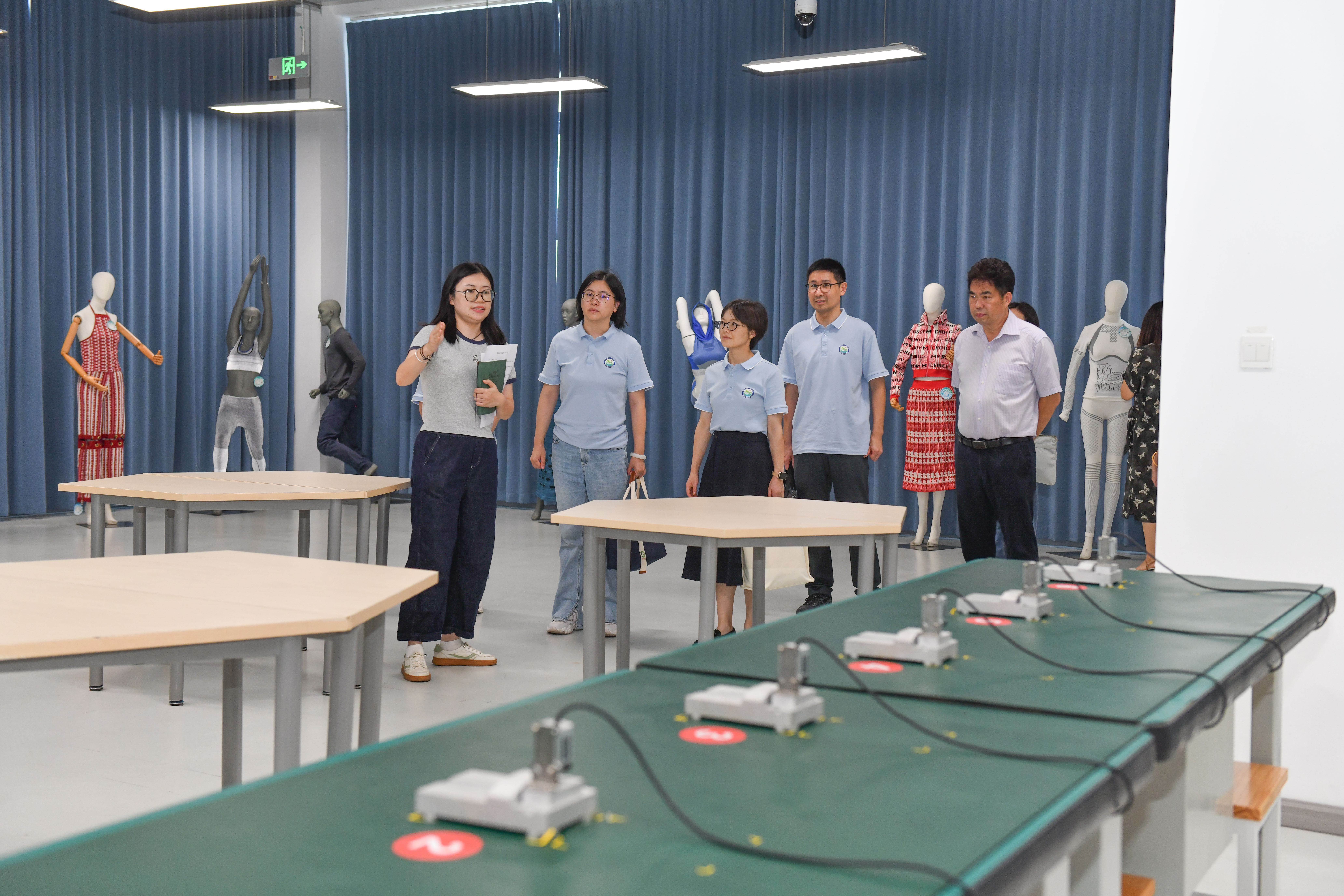
Before the symposium, the research group visited the Intelligent Manufacturing Building and learned about the teaching and practice of the school in the fields of intelligent manufacturing and chemical industry.
The implementation of this research activity provides a practical basis for the school to deepen the integration of production and education and accurately meet the needs of regional industries. At the same time, it also points out a new direction for optimizing the talent training program and improving the ability to serve local economic development.