
On the afternoon of June 29, 2026, the 2026 Joint Training Seminar on Integrated Secondary and Higher Vocational Education was successfully held in our school’s Multi-Function Hall. Vice Presidents Huang Hanjun and Zhang Haixia attended the meeting. Also present were leaders from partner secondary vocational schools, heads of academic affairs offices and program departments from both secondary and higher vocational institutions, program leaders of the integrated specialties, as well as course coordinators for general foundational and specialized subjects, teaching and research office directors, and key faculty members. The seminar was chaired by Shen Duan, Dean of the Academic Affairs Office.
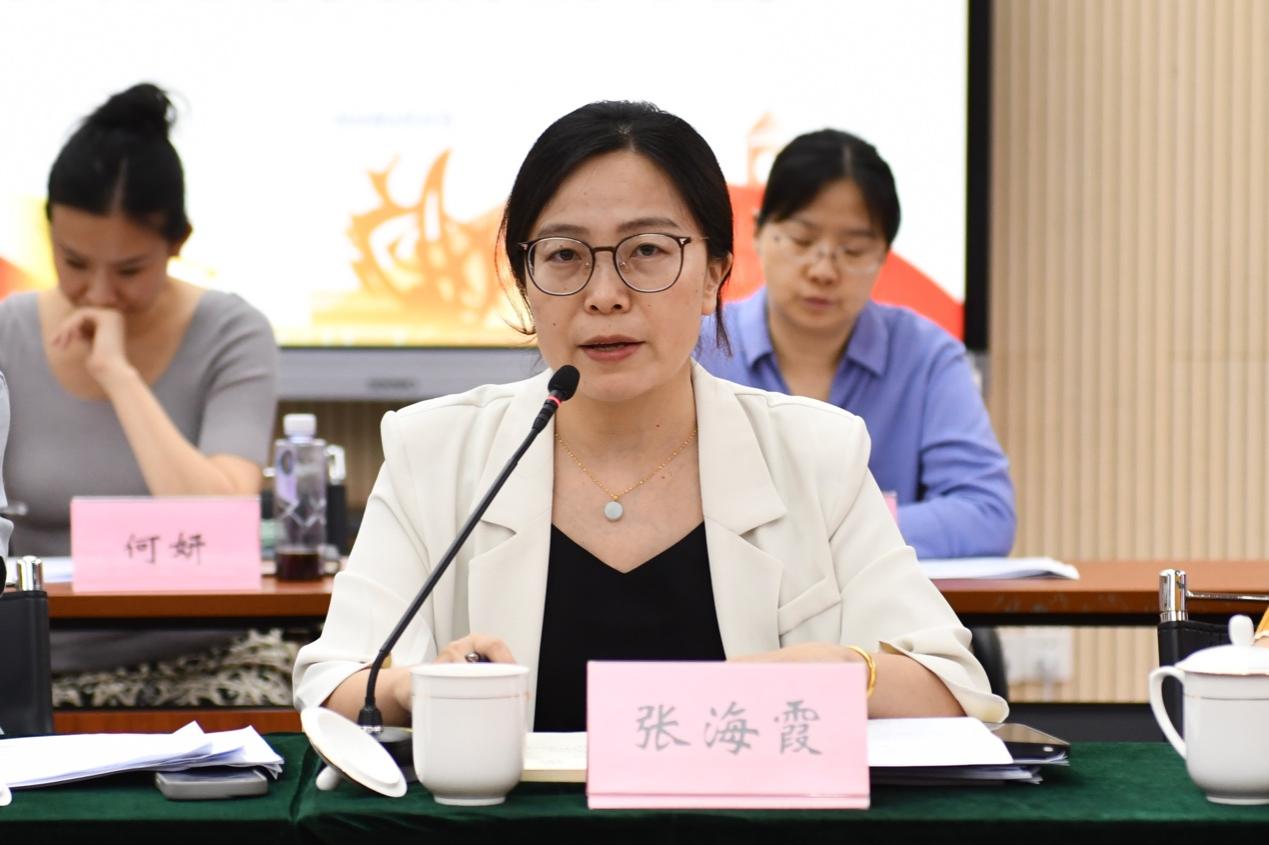
In her opening address, Zhang Haixia stated that the consortium has always adhered to the collaborative education goal of "3+2 > 6" — not a mere addition of school years, but a genuine effort to break down the training barriers between secondary and higher vocational education. This involves true articulation of curriculum content, early intervention in student management, and substantive teaching and research exchanges. She noted that over the past few years, the partner secondary vocational schools have accumulated solid educational outcomes in areas such as specialty program development, deepened industry-education integration, skills competition cultivation, and student development, which have strengthened the consortium’s confidence and foundation for deeper cooperation. She emphasized that the core of vocational education is to cultivate competence through skills, and the ultimate goal of the consortium is to enable students enrolled in the integrated track to avoid redundant learning, chart clear growth pathways, and become high-quality skilled talents urgently needed by regional industries.
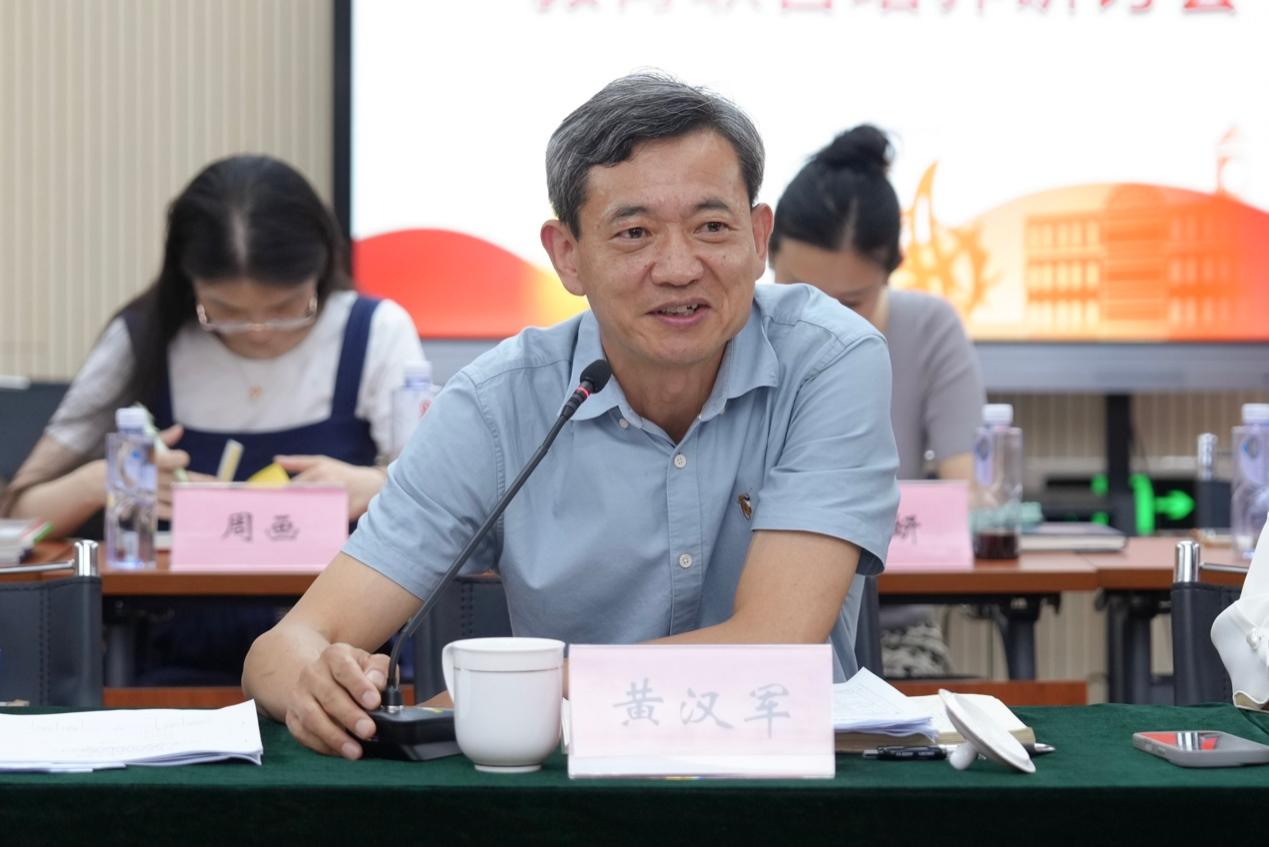
Huang Hanjun provided an analysis based on the current development trends in vocational education, pointing out that the construction of integrated programs should be aligned with our school’s long-term development goals and closely integrated with the core requirements of industry-education integration. He stressed the need to build curriculum systems around students’ job adaptability during the first three years of the secondary vocational phase, deepen school-enterprise collaboration, and enhance classroom teaching effectiveness through curriculum reform. He specifically put forward five key work requirements: First, all cooperating secondary and higher vocational schools must expedite the formation of special working groups, clearly define job responsibilities, and issue official documents accordingly. Second, all program talent cultivation plans must undergo rigorous full-process review and approval before implementation. Third, schools should align with policy documents such as the Ministry of Education’s Opinions on Deepening the Reform of Key Elements in Vocational Education Teaching and develop curriculum competency maps based on core competency standards for vocational positions. Fourth, the enterprise practice teaching during the first three years of the secondary stage must be effectively carried out, with students organized in tiers to visit enterprises, engage with enterprises, and understand job roles, ensuring the quality completion of practical education tasks. Fifth, joint teaching and research offices for both general foundational and specialized courses should be established, and regular industry-education integration themed teaching and research seminars should be conducted. Systematic summaries of school-enterprise cooperation outcomes should be compiled and shared as typical experiences at a special meeting at the end of the next semester. He also offered constructive suggestions on the core issues of integrated training, emphasizing that the key lies in "integration" rather than "superposition" — the barriers between secondary and higher vocational education must be removed to achieve full articulation across curricula, faculty, and assessment. He stressed that the consortium should promote a collaborative school-enterprise development model and deepen industry-education integration, involving enterprises deeply in the entire talent cultivation process. In terms of curriculum system construction, Huang Hanjun proposed that the secondary stage should focus on consolidating students’ basic skills and fostering career awareness and interest, while the higher vocational stage should concentrate on enhancing technical application and management capabilities, thereby forming a clear training gradient. He also emphasized the need to strengthen the participation of different departments in the integration process, clarify training objectives at each stage, regularly organize joint teaching and research activities, and provide timely feedback on teaching information and exchange of teaching experiences, establishing a regular and institutionalized communication mechanism to ensure that every aspect of the talent cultivation plan is effectively implemented.
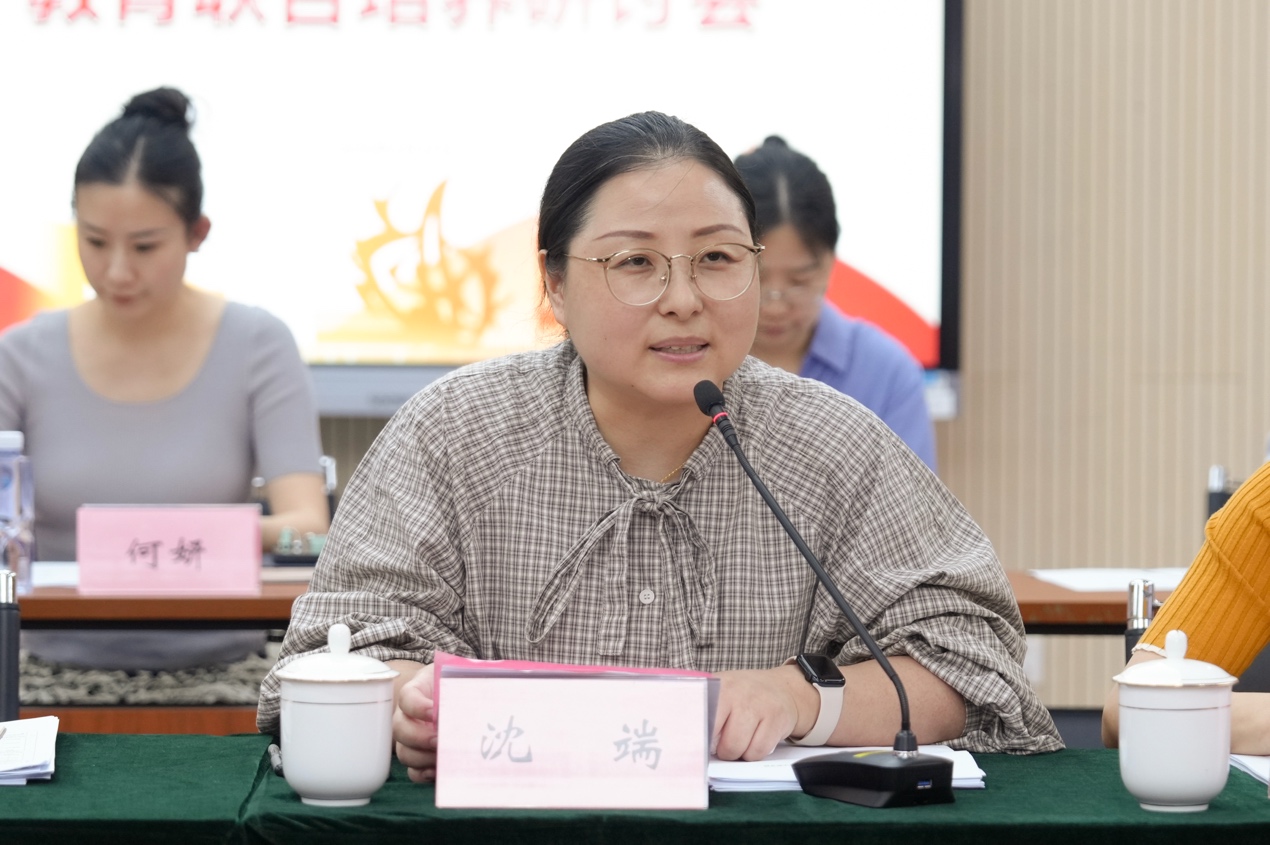
Shen Duan gave a detailed introduction to the key tasks and critical timelines for the new academic year’s integrated secondary-higher vocational education work. She systematically outlined the action roadmap for the next phase from four dimensions: "overall coordination, standardization, collaboration, and implementation". She emphasized the need to coordinate the whole-process management of talent cultivation in the integrated programs, standardize teaching implementation standards at each stage to ensure organic articulation between secondary and higher vocational phases in terms of training objectives, curriculum design, and assessment requirements; collaborate with all partner schools to jointly address practical difficulties in teaching implementation and resource allocation; and implement all institutional arrangements to move the consortium’s work from paper to practice. She also pointed out that a rapid-response channel for information sharing and problem feedback should be established, with regular summaries of common issues in integrated education to form a closed loop of "discovery—analysis—resolution—feedback", ensuring that the joint training work progresses in an orderly and effective manner.
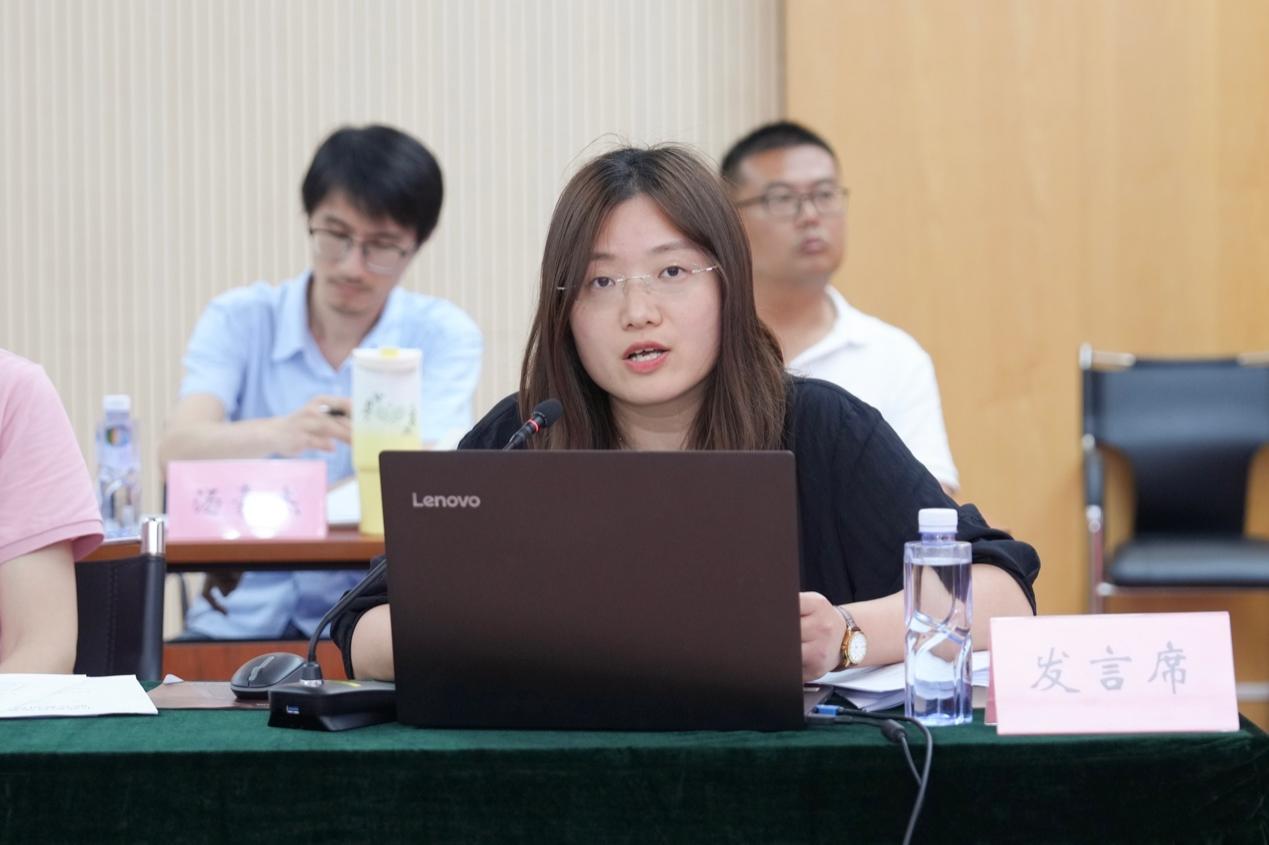
Wang Yijun provided interpretations of two core institutional documents. The Supervision System for Teaching Quality Evaluation in Integrated Secondary-Higher Vocational Education emphasizes the establishment of a regular teaching quality monitoring system covering the entire secondary and higher vocational process, using methods such as class observations and academic tracking to ensure quality control. The System for Joint Teaching and Research Activities in Integrated Secondary-Higher Vocational Education specifies that each integrated program should regularly conduct cross-school collective lesson planning, teaching observations, and other activities, promoting the formation of teaching consensus between secondary and higher vocational teachers and resolving the issue of disjointed teaching.
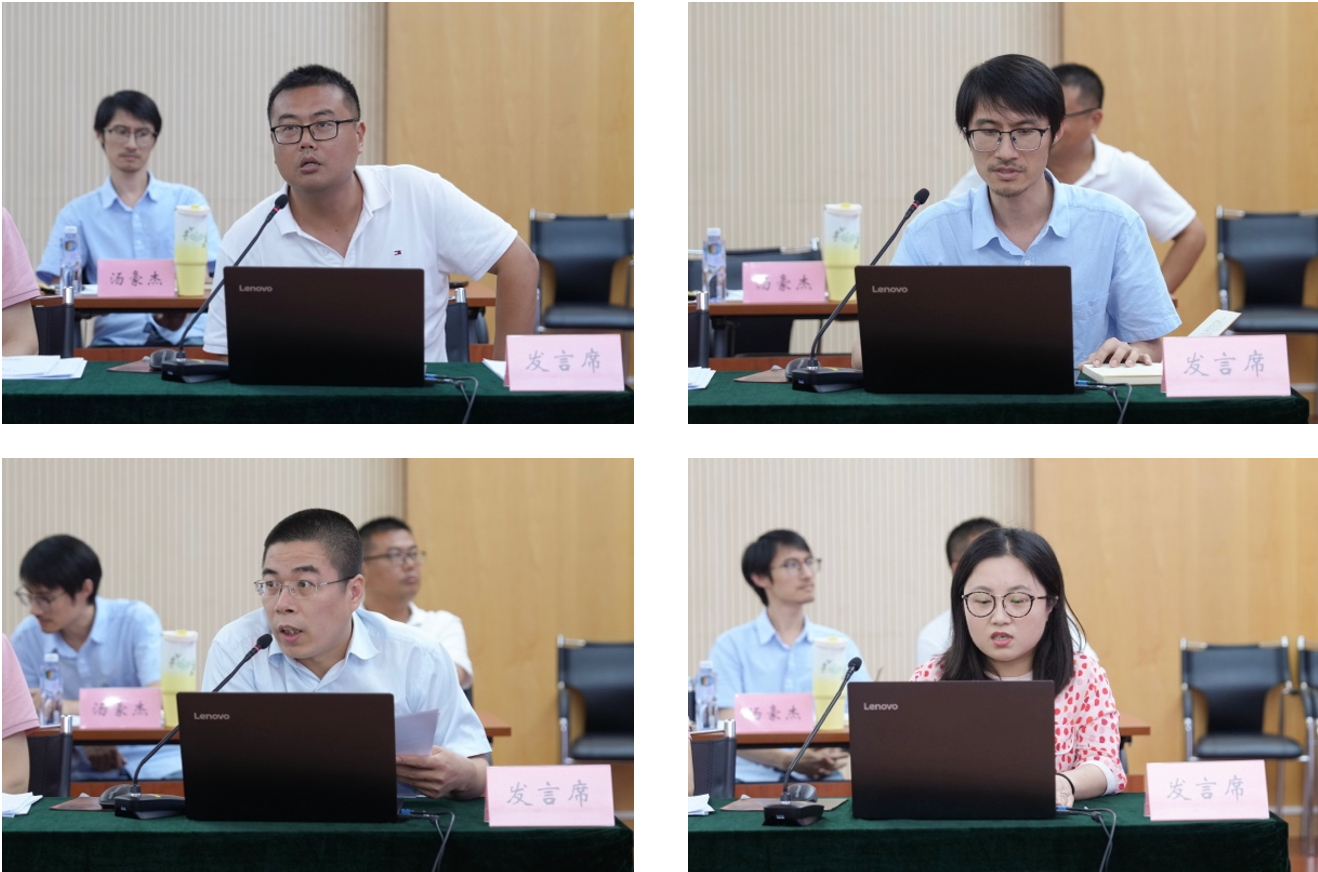
Four higher vocational program leaders systematically presented the integrated training plans, covering talent cultivation objectives, curriculum articulation between secondary and higher levels, practical teaching systems, and integration of vocational certificates. The plans emphasize consolidating cultural foundations and professional skills during the secondary stage, while focusing on core technical training at the higher vocational stage, with scientifically graded curricula to avoid repetition and overlap.
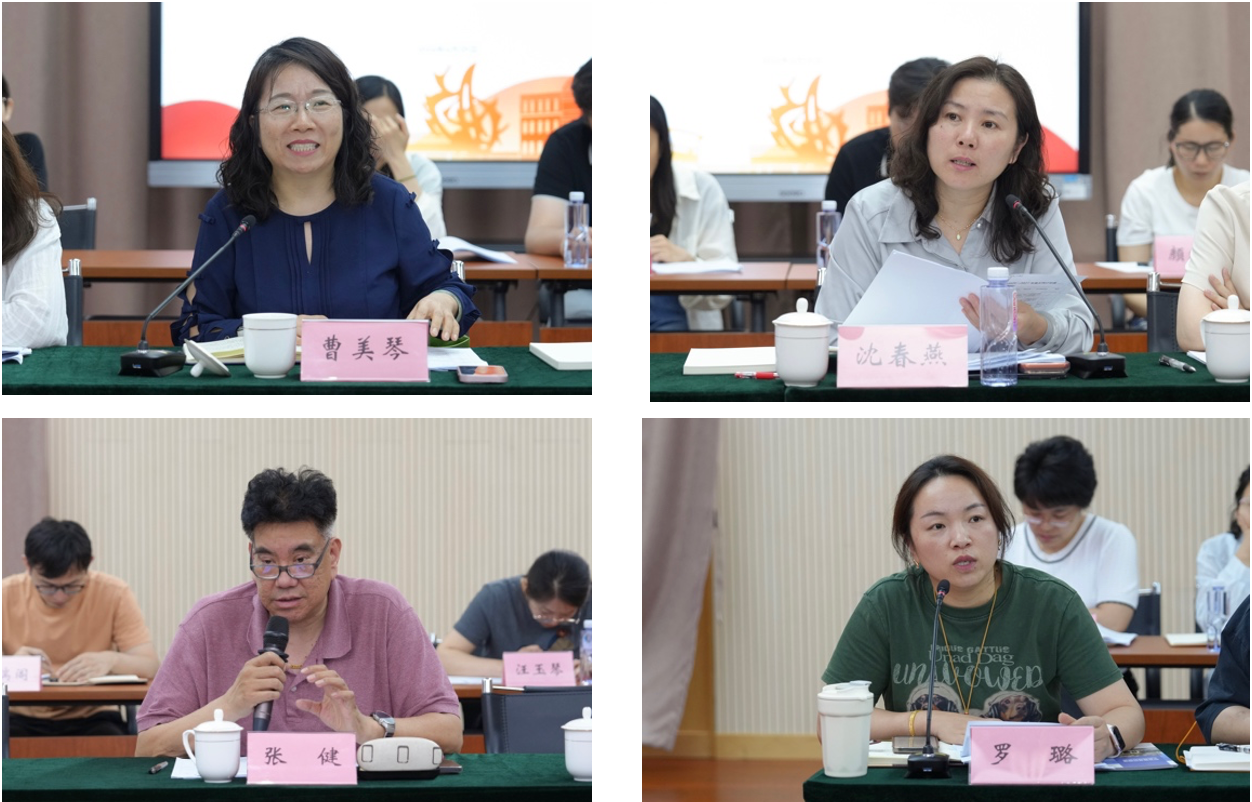
Participants highly praised the organization and preparation materials of the seminar. The provided documents, including the consortium’s operational mechanism files, management system texts, and talent cultivation plans for each program, were comprehensive and well-structured. All parties expressed that the thorough materials and arrangements provided clear guidance for subsequent work and adequately prepared the institutional and programmatic foundations for the teaching implementation of the first batch of integrated secondary-higher vocational freshmen.
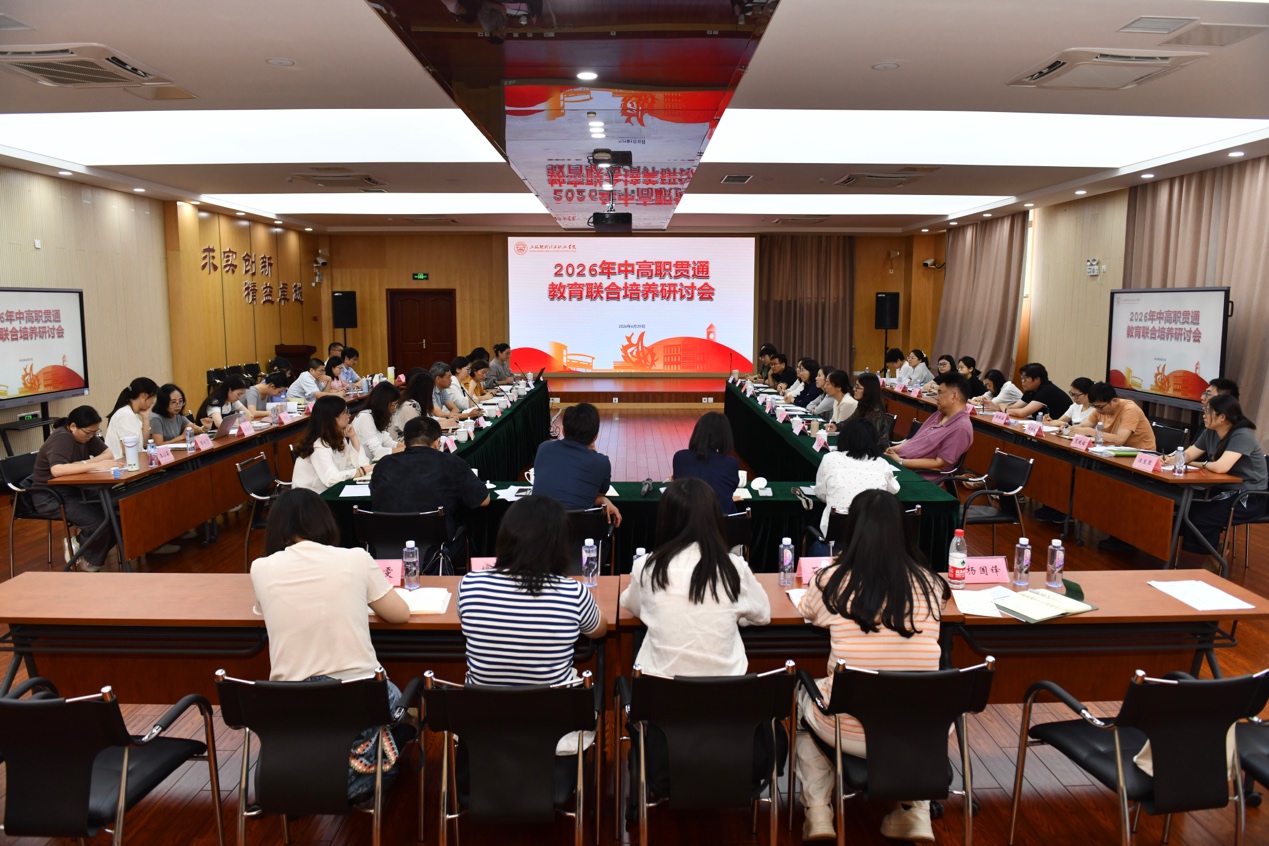
The meeting made it clear that in the future, broader teaching and research platforms will be offered to teachers from partner secondary vocational schools, and more coherent skill development pathways will be created for students. There was general consensus that the talent cultivation plans must be grounded in regional industrial needs, balance the teaching emphases of both secondary and higher vocational stages, ensure feasibility, and truly align with both student development and industry demands.
This seminar further consolidated the consensus for cooperation among the five institutions. All attending parties expressed that they would take this seminar as an opportunity to continuously strengthen communication and collaboration, refine work measures, and jointly build a model of integrated secondary-higher vocational education with distinctive Shanghai regional characteristics, thus supplying more high-quality technical and skilled talents to support regional economic and social development.