
To thoroughly implement the national directives on vocational education faculty development, further enhance the theoretical expertise and practical skills of vocational college teachers, build a high-quality "dual-qualified" teaching workforce that equally values theory and practice, and ensure that faculty stays updated with frontier industry technologies, the 2026 Chemical Engineering Teacher Capacity Enhancement Training of National Consortium for Industry-Education Integration of Hazardous Chemicals Safety and Smart Production was successfully held from August 18 to 20. The program was organized by National Consortium for Industry-Education Integration of Hazardous Chemicals Safety and Smart Production and hosted by Shanghai Modern Chemical Industry Vocational College. A total of 58 secondary and higher vocational chemical engineering teachers and corporate experts from 15 member institutions of the Consortium gathered in Shanghai for the three-day intensive training.
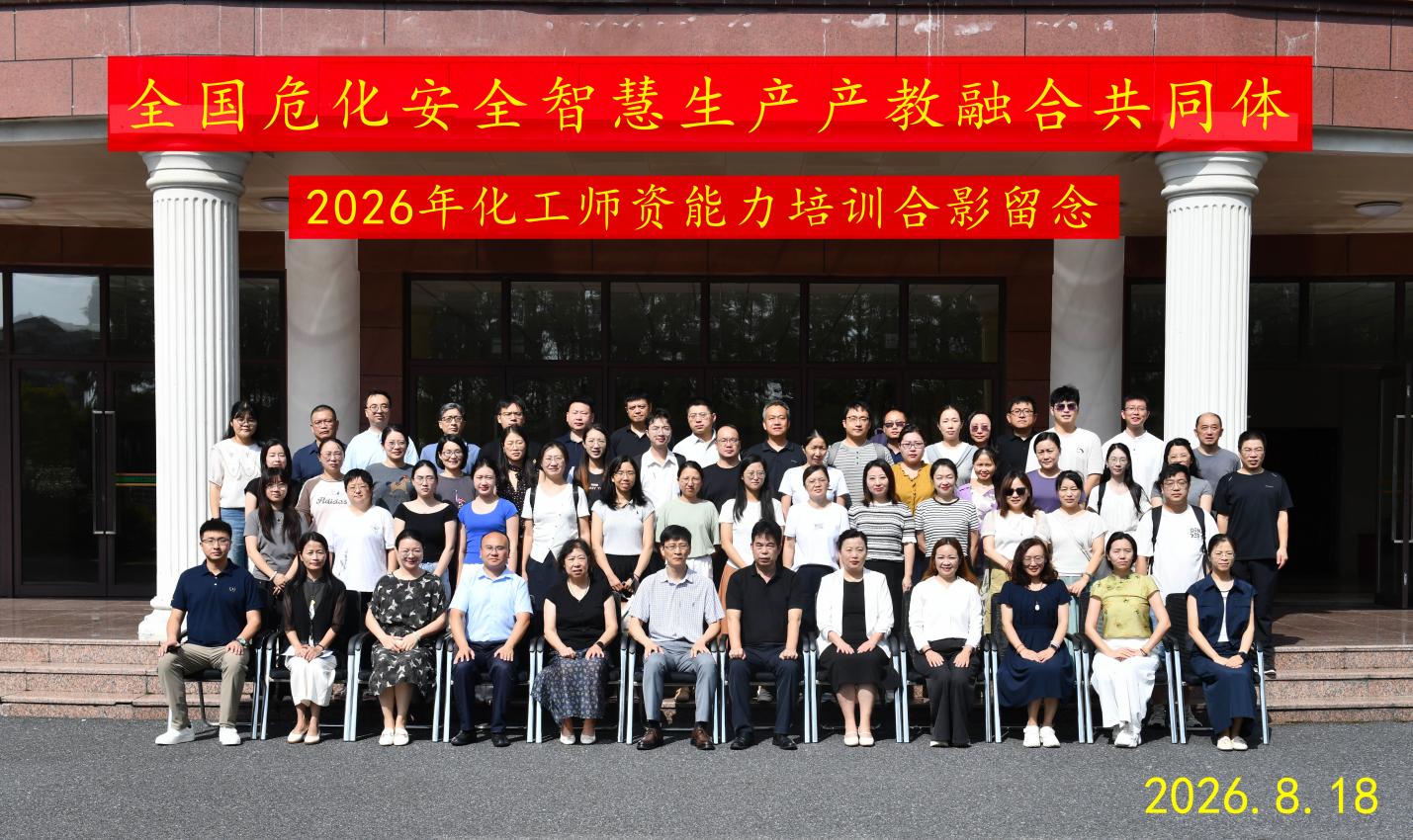
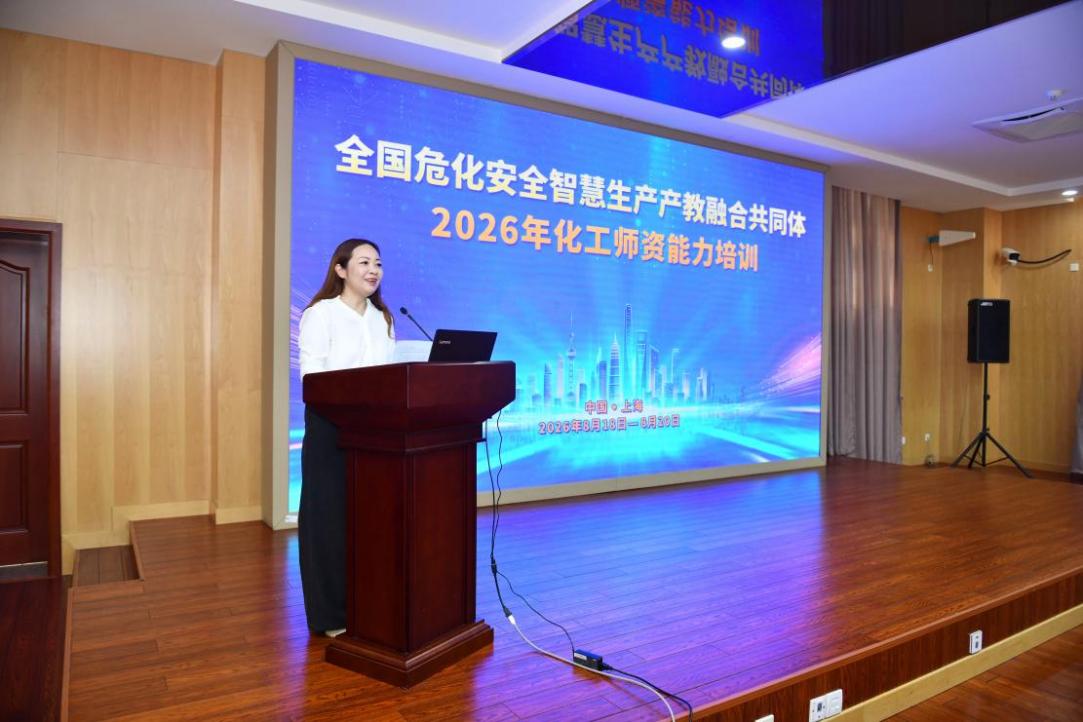
The training officially commenced on the morning of August 18 in the Multifunctional Hall of Shanghai Modern Chemical Industry Vocational College. The opening ceremony was presided over by Yan Xiaoli, Secretary-General of National Consortium for Industry-Education Integration of Hazardous Chemicals Safety and Smart Production and Vice President of Shanghai Modern Chemical Industry Vocational College.
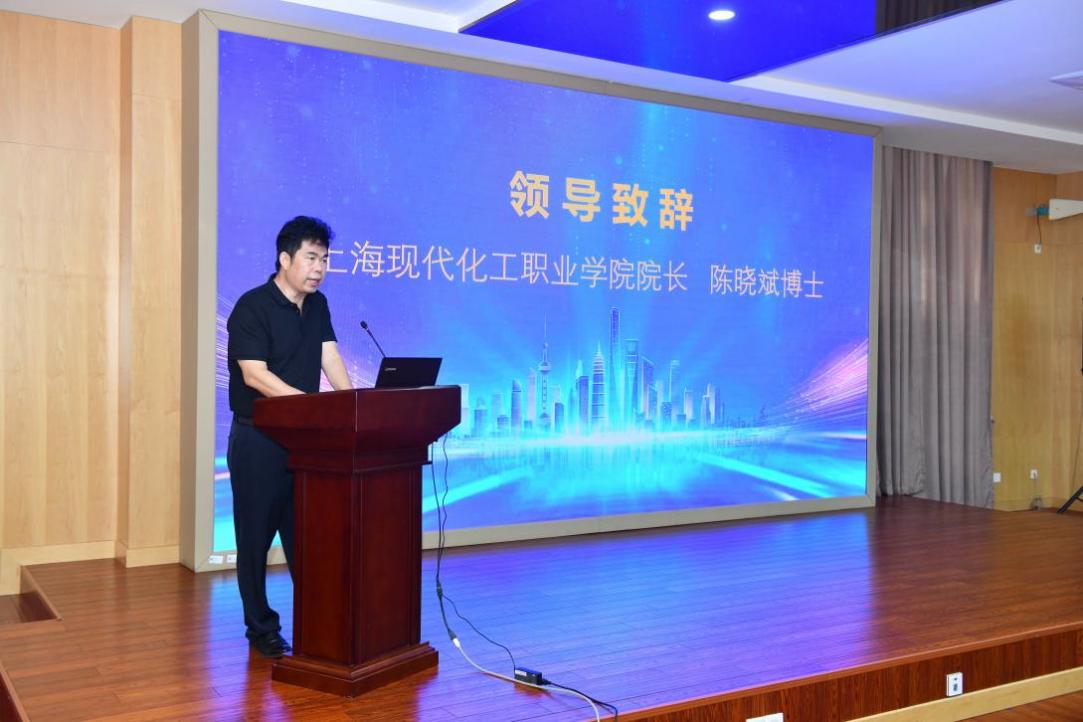
Chen Xiaobin, President of Shanghai Modern Chemical Industry Vocational College, delivered a welcome address. He noted that since its establishment in 2025, the Consortium has been consistently committed to promoting the high-quality, green, and intelligent transformation and upgrading of the chemical industry, with the teaching faculty serving as the core link connecting the education chain and the industrial chain. This training represents a key practice of the Consortium in integrating high-quality resources from leading industry enterprises, top-tier universities, and vocational colleges to deepen industry-education integration and school-enterprise collaborative education. He encouraged all participants to cherish this opportunity, build consensus through intellectual exchange, and achieve a win-win outcome that enhances individual capabilities, promotes institutional academic development, and strengthens corporate talent reserve.
The training focused on three major themes: "Chemical Industry Transformation and Teaching Innovation Practice", "Chemical Safety Operations and Emergency Response Drills", and "Chemical Smart Production and Digital-Intelligent Application Practice". It adopted a blended model combining "special lectures + lesson demonstrations + enterprise practice + college seminars" to effectively elevate vocational educators' comprehensive competencies in areas such as dual-education practice, digital teaching capabilities, and curriculum-based ideological and political education.
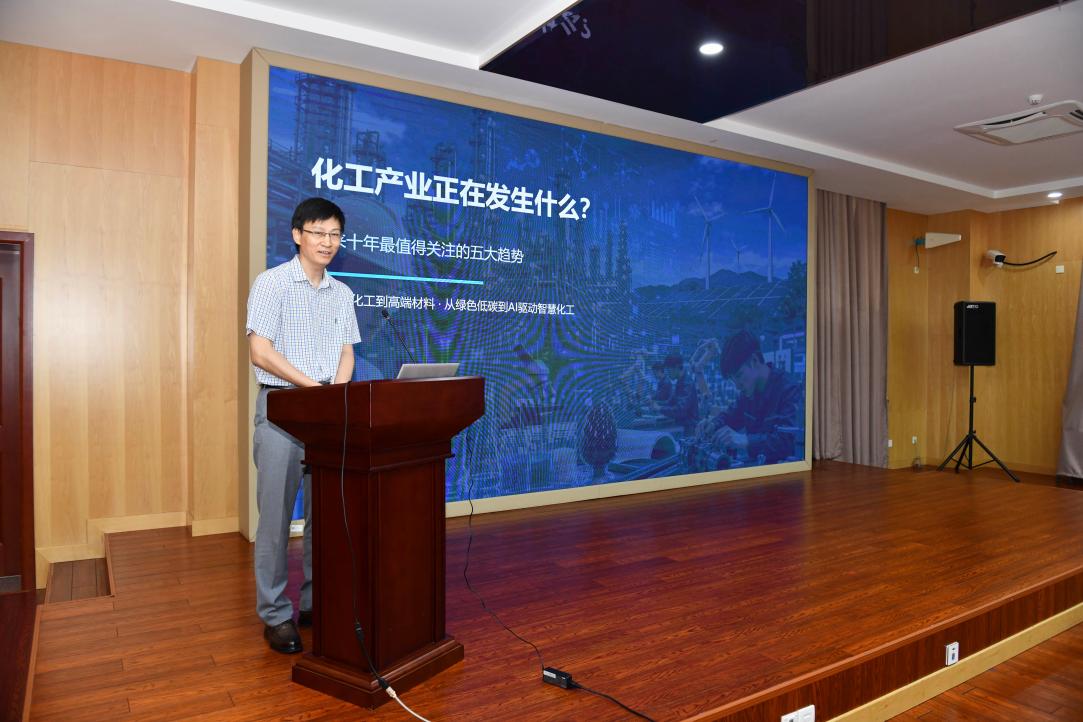
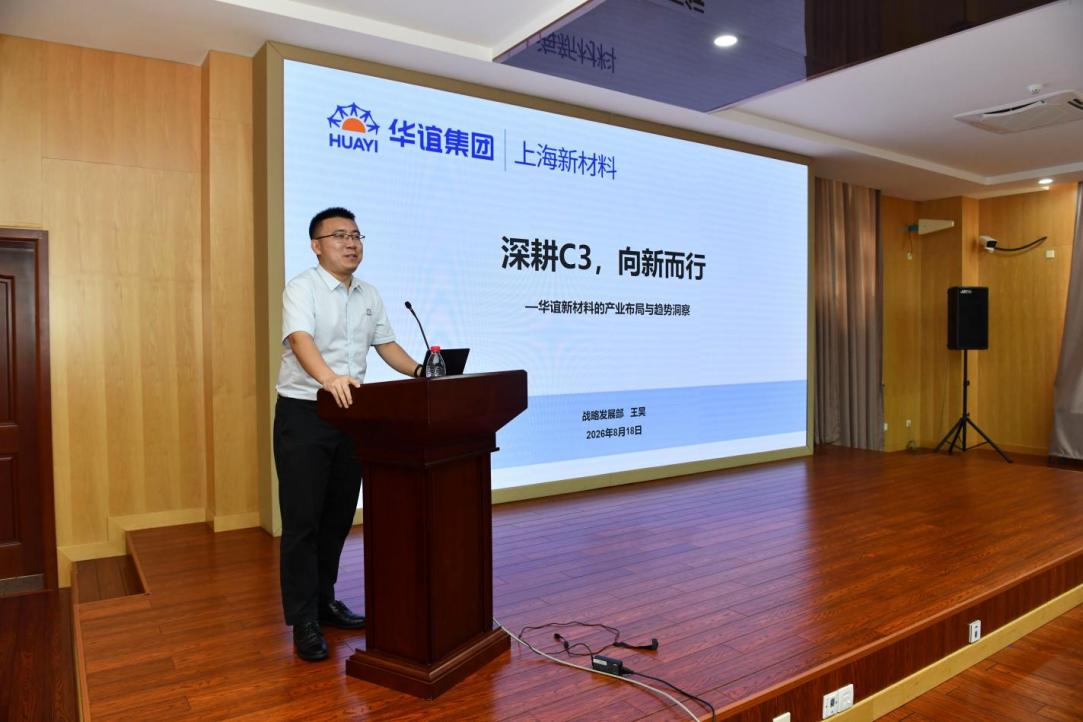
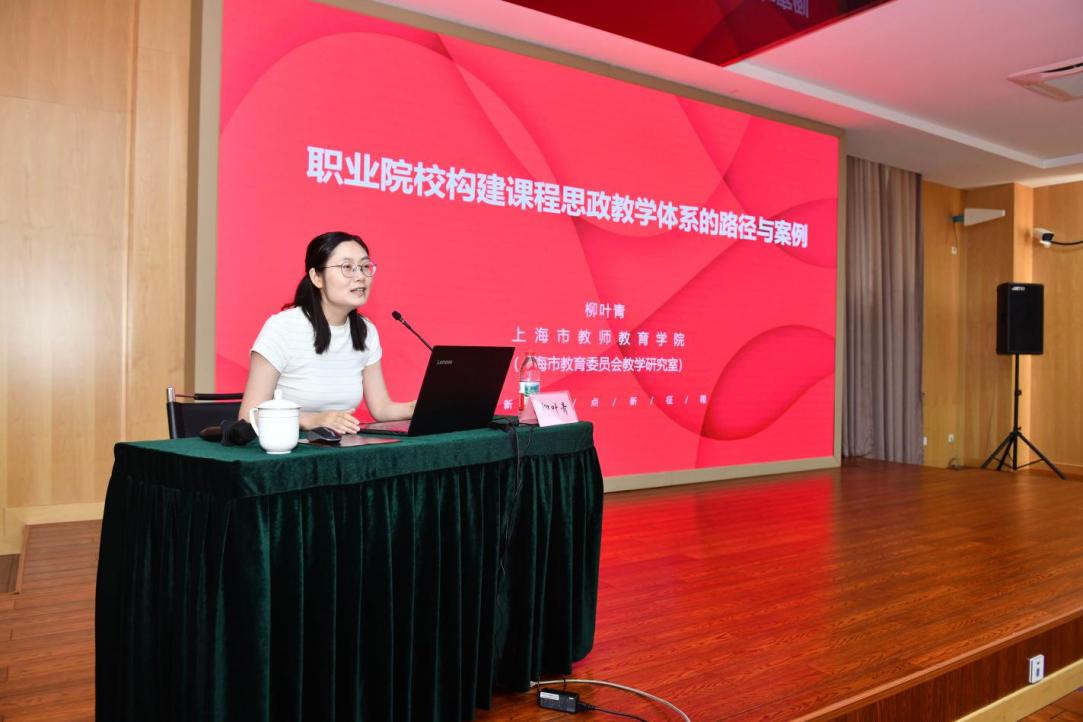
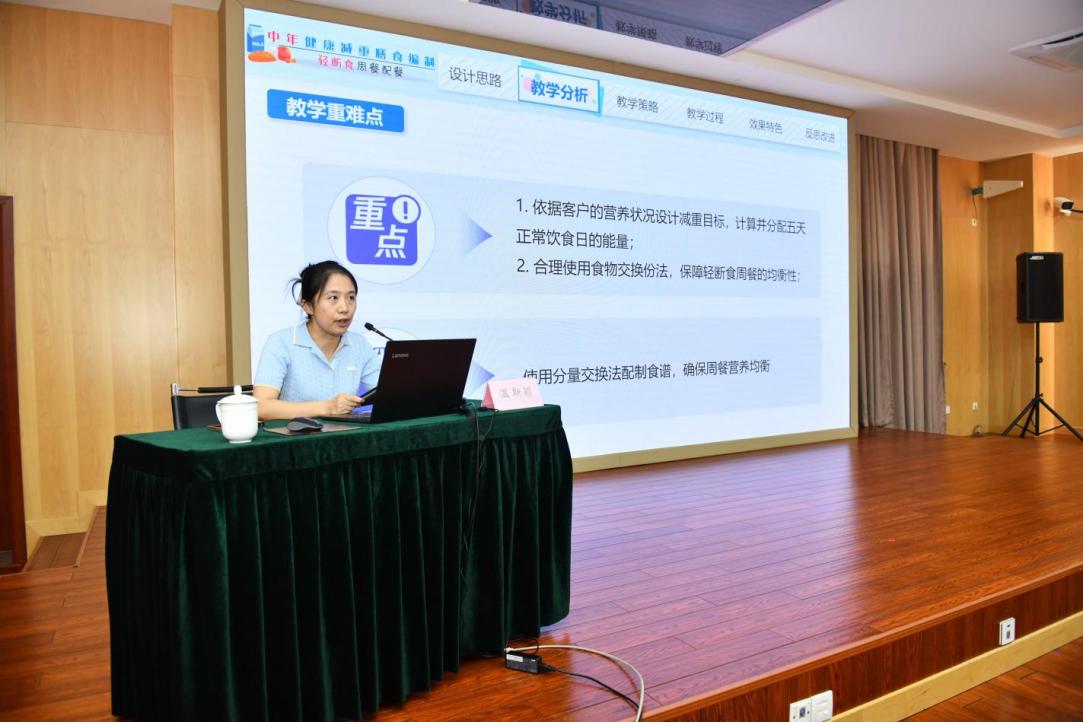
On August 18, the training centered on "Chemical Industry Transformation and Teaching Innovation Practice". Dr. Chen Wansuo, Director of Technology and Production at BASF (China) Co., Ltd., delivered a keynote report titled "What Is Happening in the Chemical Industry?", analyzing the global trends of green and intelligent transformation in the chemical sector. Dr. Wang Hao from Shanghai Huayi New Materials Co., Ltd. presented "Deepening C3, Moving Toward the New ——Industry Layout and Trend Insights of Huayi New Materials", sharing cutting-edge developments in the domestic chemical new materials field. Dr. Liu Yeqing from the Shanghai Teacher Education Institution gave an in-depth lecture on "Research and Practice on Constructing the Curriculum-Based Ideological and Political Education System in Vocational Education", exploring pathways for integrating ideological and political elements into professional program development. Wen Siying, lead teacher of the Food Inspection major at Shanghai Science and Technology Management School, presented a lesson demonstration titled "Teaching Case for Food Inspection Major – Taking the Formulation of a Healthy Weight-Loss Diet for Middle-Aged Adults as an Example", providing participants with a replicable instructional design model.
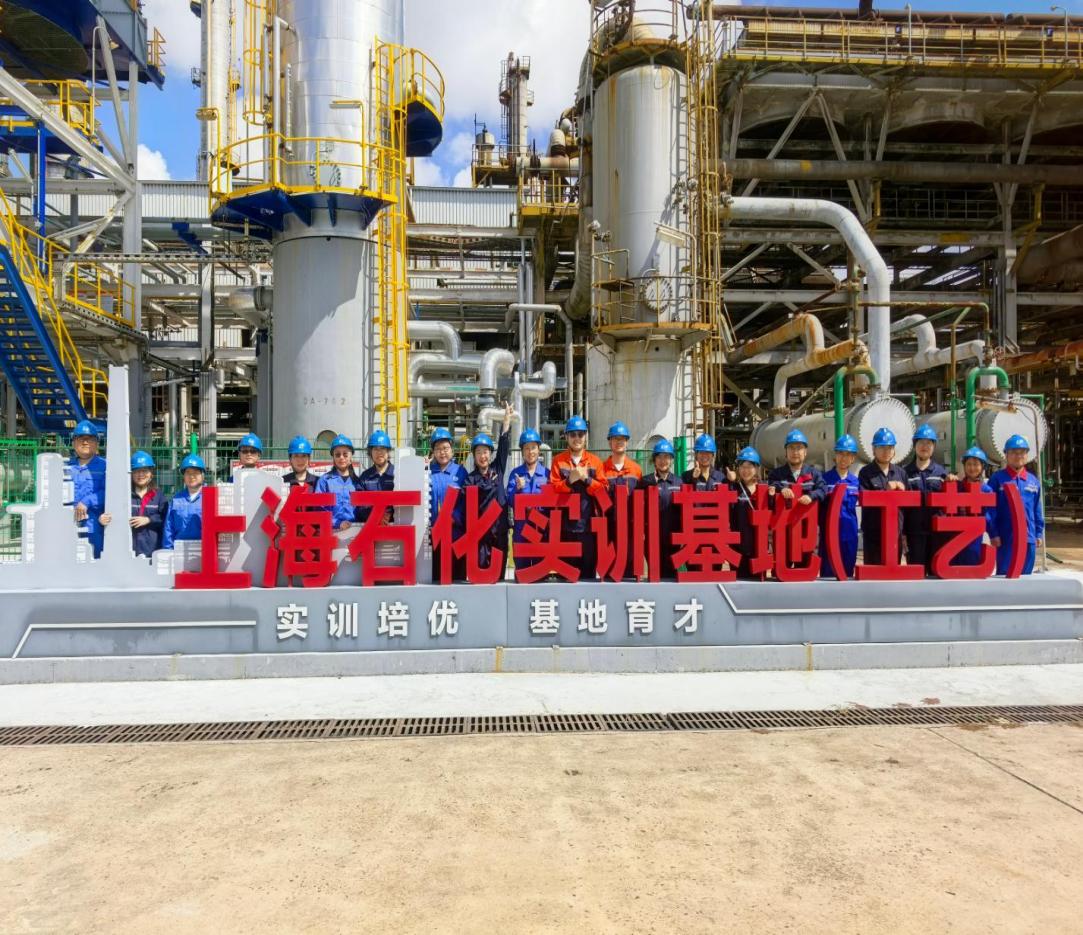
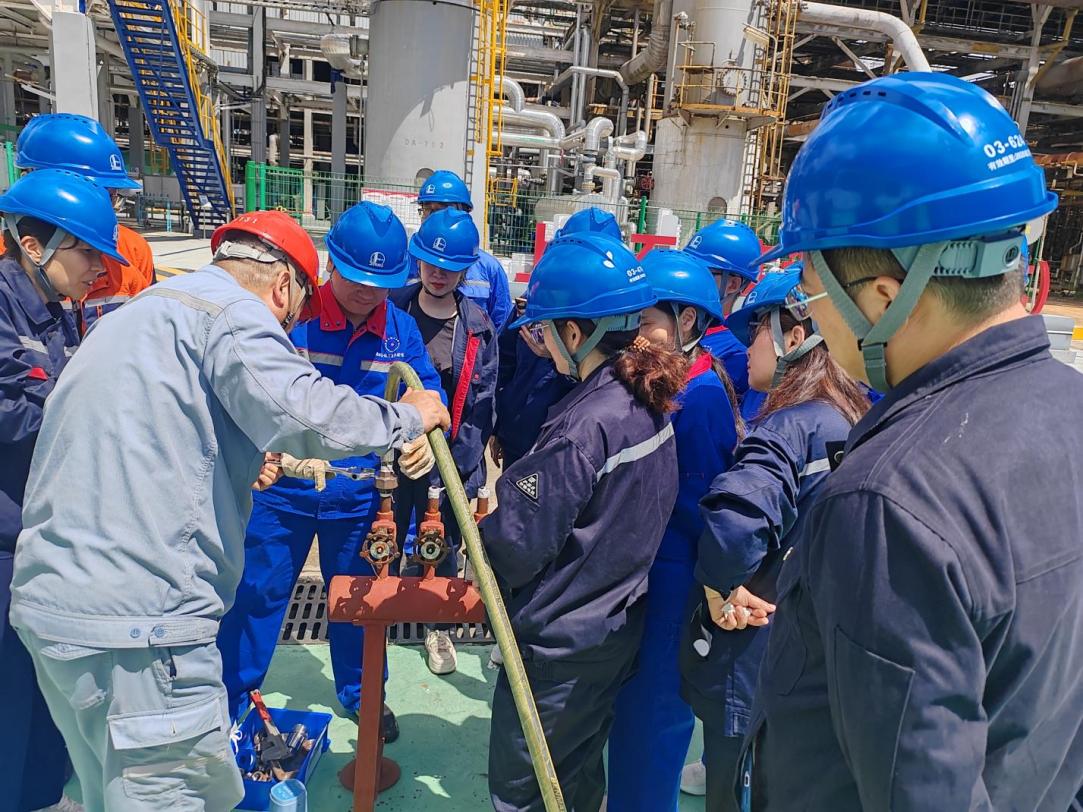
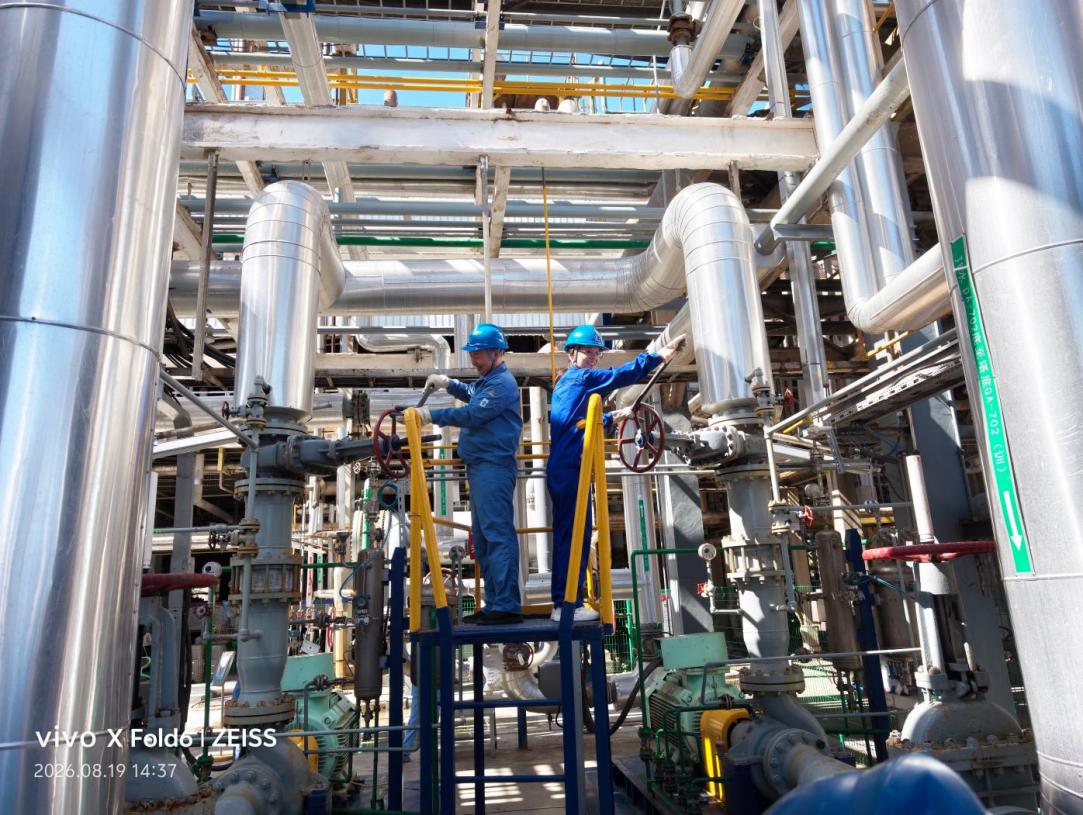
On August 19, all trainees visited the Consortium’s chemical practice education base – the Sinopec Shanghai Petrochemical Aromatics Division Training Base – for hands-on chemical safety operations and emergency response drills. After safety orientation at the base, participants completed practical training in ten modules in groups: safety belt wearing, automatic fire alarm system operation, belt pipe connection and arrangement, oil circuit inspection and circulation setup, distillation system process operation, control valve bypass switching, pump start and stop, instrument interlock handling, condensate and steam trap operation, and closed liquid sampling. Through on-site enterprise simulation exercises, the teachers significantly enhanced their safety operation skills and emergency response capabilities, gaining a thorough understanding of the real-world application of safety production standards in industrial settings.
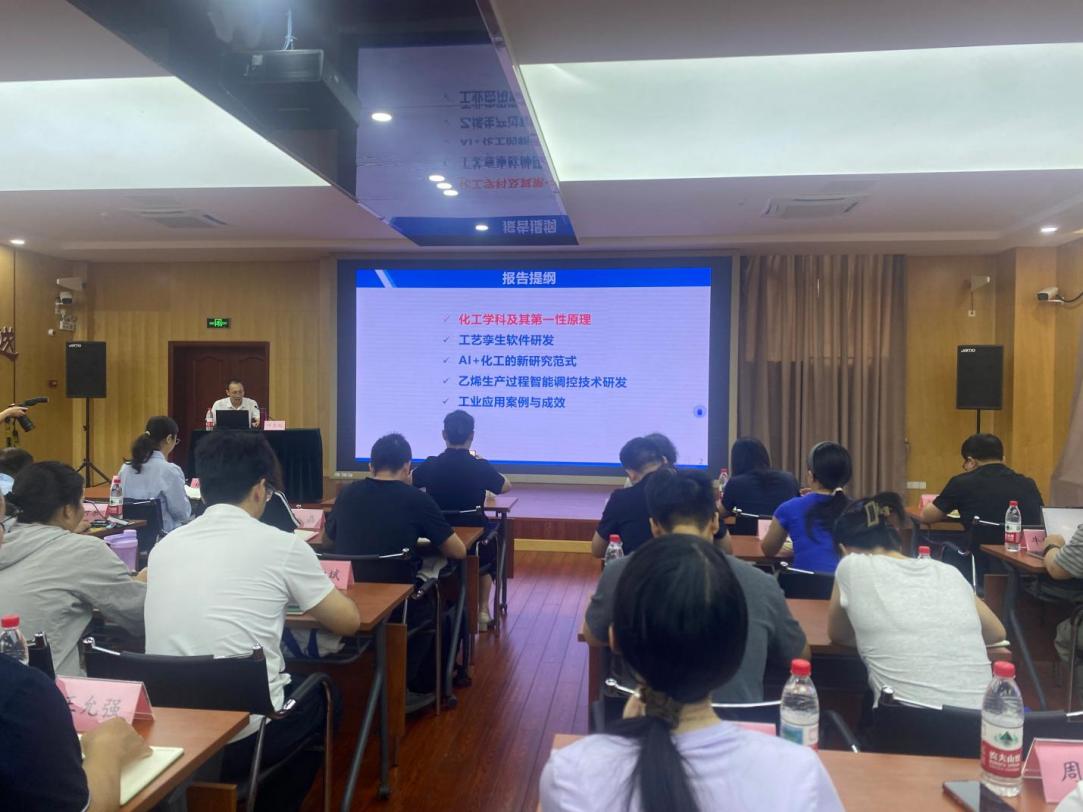
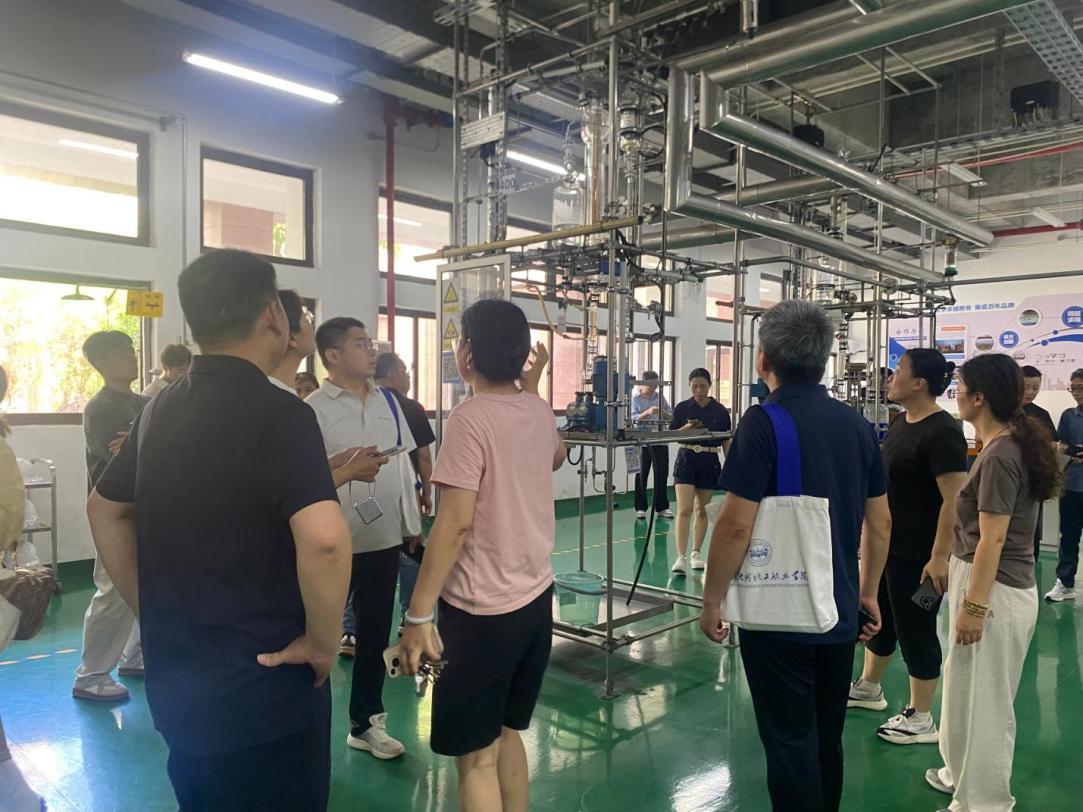
On August 20, the training focused on "Chemical Smart Production and Digital-Intelligent Application Practice". Professor Ye Zhencheng from East China University of Science and Technology delivered a cutting-edge lecture titled "Intelligent Control Technology for Chemical Production Processes Integrating First-Principles and AI Techniques Case Studies and Applications", covering the fundamentals of chemical engineering and its first principles, process twin software development, the new AI+chemistry research paradigm, and the R&D and industrial application of intelligent control technologies for ethylene production processes, along with their outcomes. Afterwards, the trainees visited the National Virtual Simulation Training Base for Hazardous Chemical Safety and the Cross-Enterprise Training Center at Shanghai Modern Chemical Industry Vocational College, gaining insight into the college's achievements in industry-education integration and virtual simulation teaching.
As a key activity in the Consortium's 2026 faculty development agenda, this training not only offered participants a valuable opportunity to learn cutting-edge theories and enhance practical skills, but also further established an exchange and collaboration platform among schools and enterprises, facilitating the transformation of training outcomes into transferable teaching cases. Looking ahead, the Consortium will continue to leverage its platform advantages, steadily improve the "dual-qualified" teacher cultivation system, and build a high-caliber chemical engineering faculty equipped with green and smart chemical concepts and practical capabilities, thereby laying a solid talent foundation for the high-quality and sustainable development of the chemical industry.