
On the morning of August 29, the graduation ceremony for the training session of employees from Lianhe Technology’s Johor Bahru base was held at the South Campus of our school, marking the successful completion of this 19‑day program – the school’s first ever post‑employment training project for overseas staff.
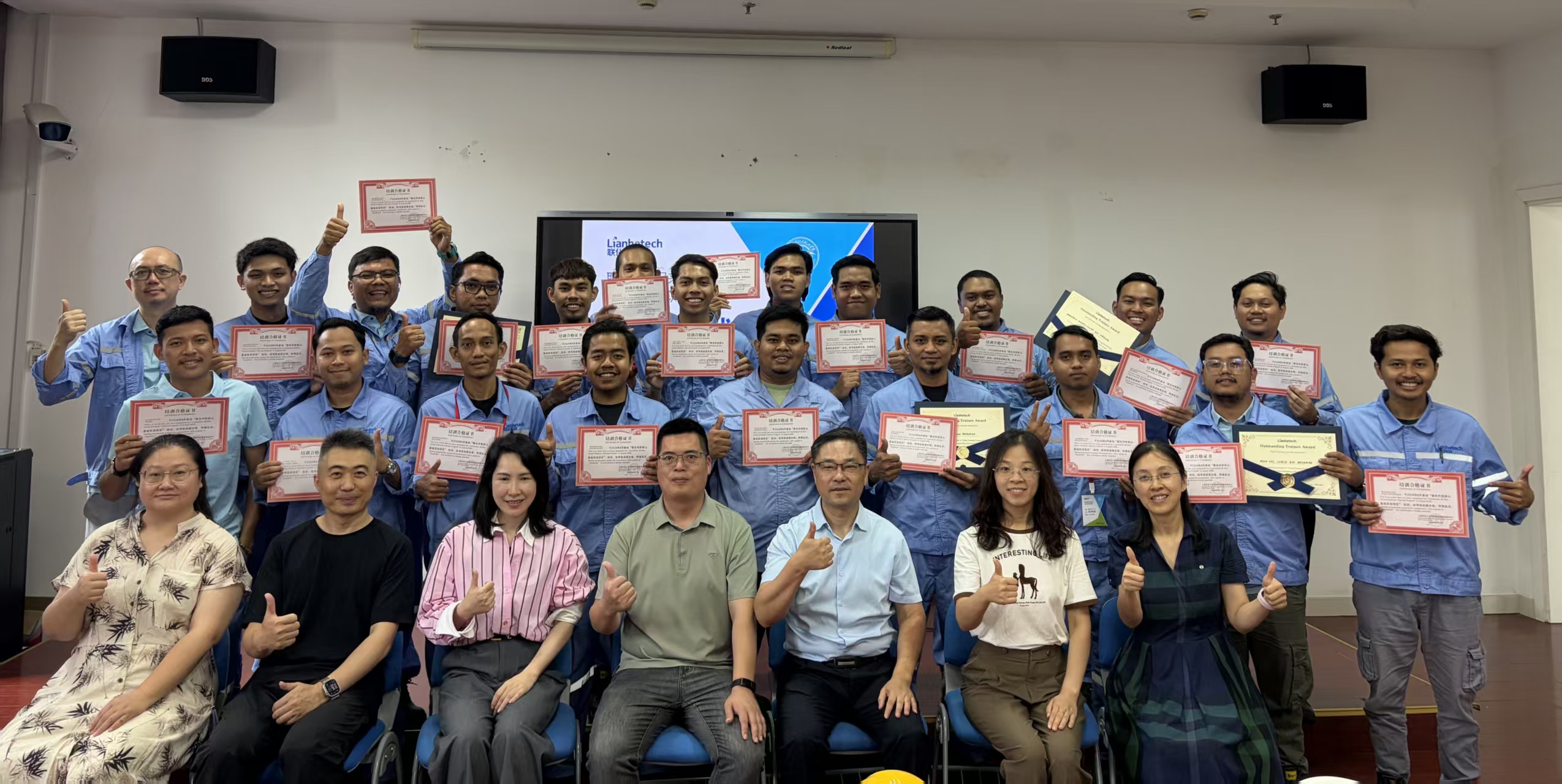
At the ceremony, Yang Liaoyuan, Dean of the School of Chemical Engineering, delivered a review of the trainees’ learning and assessment results, announcing the overall outcome: all participants passed the evaluation, achieving a 100% pass rate. Gu Jianping, Dean of the School of Continuing Education of our school and Director of the Training Center as well, and Zhang Chao, Academic Dean of the Training Center, presented the completion certificates to the trainees. Chen Yongsheng, Deputy General Manager of Lianhe Technology’s Johor Bahru base, awarded certificates and prizes to outstanding trainees, and gave a summary of the entire training program. He expressed high hopes for the participants, encouraging them to bring the skills they had acquired back to their home country and apply them directly on the production front line.
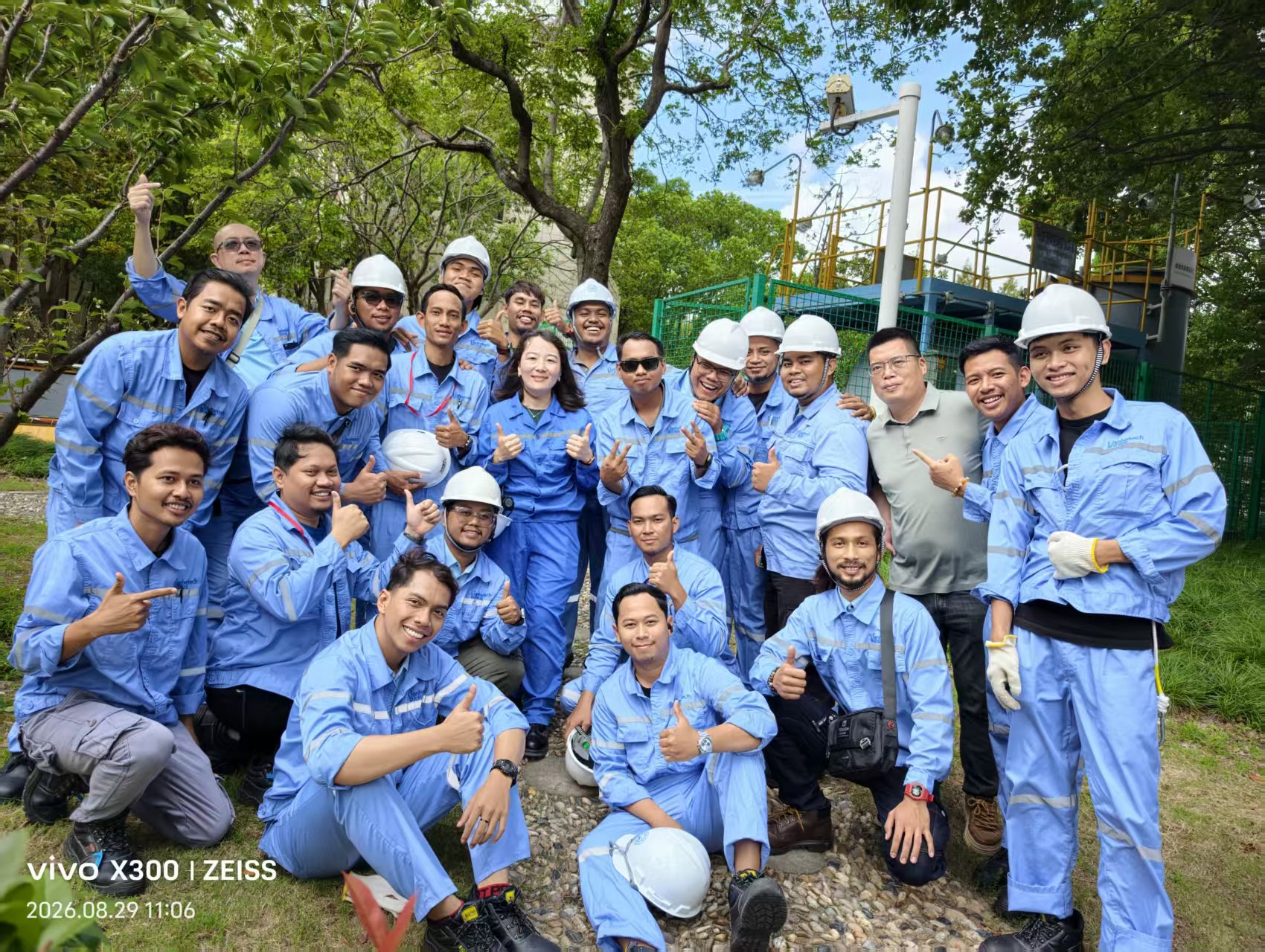
The training program ran from August 11 to August 29. Wu Yehong, a faculty member from the School of Continuing Education, served as the class advisor. The program offered three parallel tracks – Electrical & Maintenance, Chemical Process, and Instrumentation Engineering – covering 30 employees from the Johor Bahru base. The curriculum was closely aligned with real‑world production needs. It included electrical and instrumentation courses such as low‑voltage power distribution installation, motor control circuits and PLC applications, and the use of various tools and welding machines, as well as chemical courses covering safety protection and emergency response, eight major operations, confined space operations, valve and pump operations, pipe connections, DCS systems, distillation and heat transfer operations, and pilot‑plant equipment. Hands‑on practical training and assessments were also arranged, ensuring a balanced combination of theory and skills, with instruction delivered bilingually in Chinese and English.
As the school’s first overseas post‑employment training project, thorough preparatory work was undertaken. This included multiple rounds of curriculum design and validation, cross‑border coordination with the company, development of bilingual teaching materials, coordination of training venues, careful scheduling of participant rotations, and even accommodation of local Malaysian customs. Through continuous communication and adjustment between the school and the company, a well‑organized training plan was finally established.
Throughout the training, the instructors’ dedication and professionalism earned high praise from both the company’s management and the trainees. The teachers not only explained theoretical principles but also guided hands‑on practice, demonstrating each operation step‑by‑step, answering questions patiently, tailoring their teaching to individual needs, and ensuring that every key technique was thoroughly mastered. The trainees, in turn, showed great enthusiasm for learning, with high attendance rates and active participation, and they gained substantial knowledge and skills from the program.
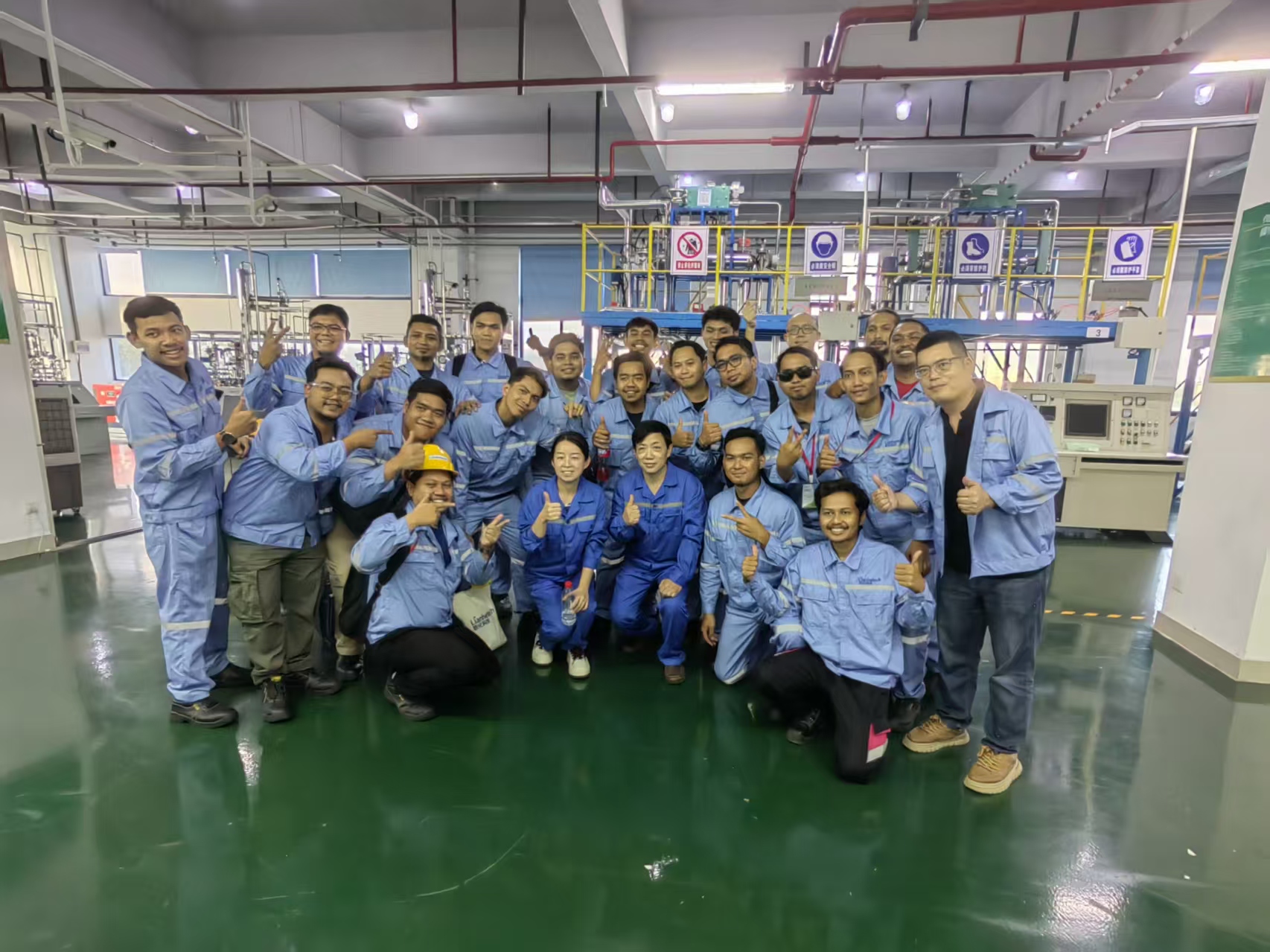
The success of this training session serves as a valuable practice of the school’s commitment to serving enterprises and deepening industry‑education integration. It has also accumulated important experience for hosting more overseas staff training projects in the future, further demonstrating the school’s educational strength and social service capabilities.