
On November 5, Party Secretary of our school Jiang Weixing, President Chen Xiaobin, and Vice President Zhang Haixia led a delegation to Sinopec Shanghai Petrochemical Co., Ltd. for an exchange visit. The delegation visited the Shanghai Petrochemical Exhibition Hall and held a special seminar with the company on deepening the integration of industry and education and improving the order-based talent cultivation mechanism. Xu Siyuan, Deputy Director of the Organization Department of the Party Committee and Deputy Manager of the Human Resources Department of Shanghai Petrochemical; Li Caiyun, Human Resources Management Expert of the Organization Department of the Party Committee; and Yang Ye, Director of the Labor Management Office, attended the event.
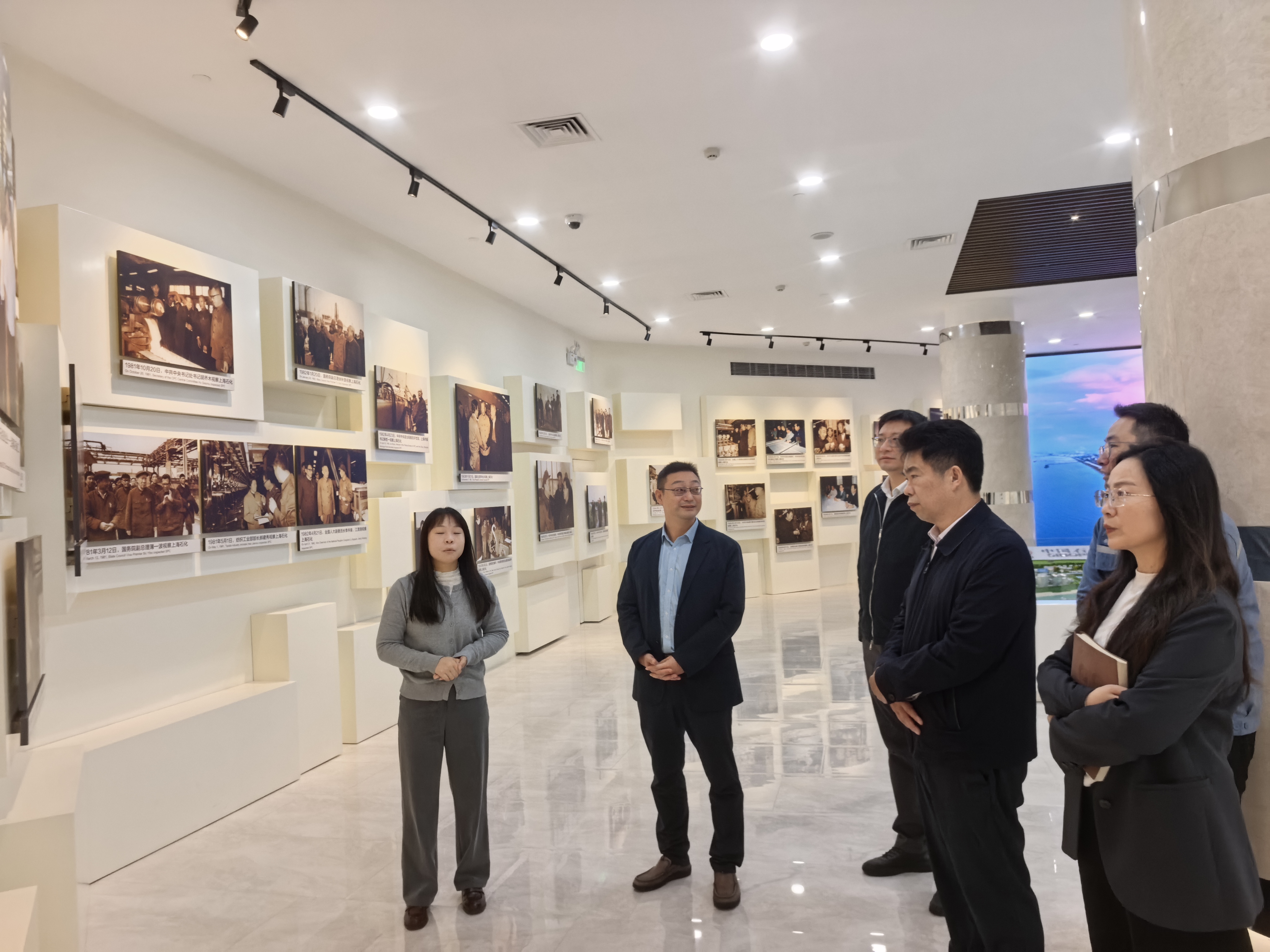
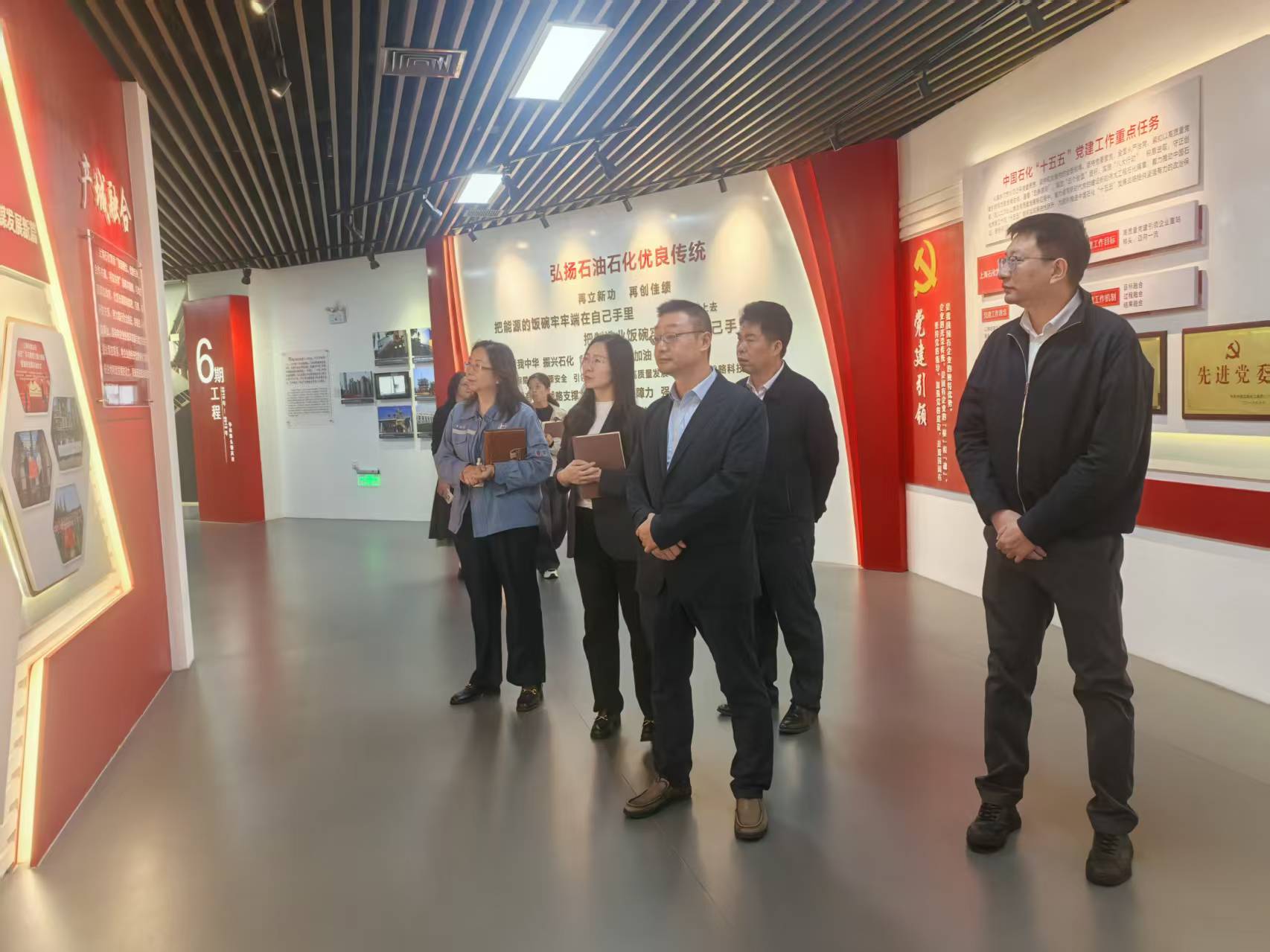
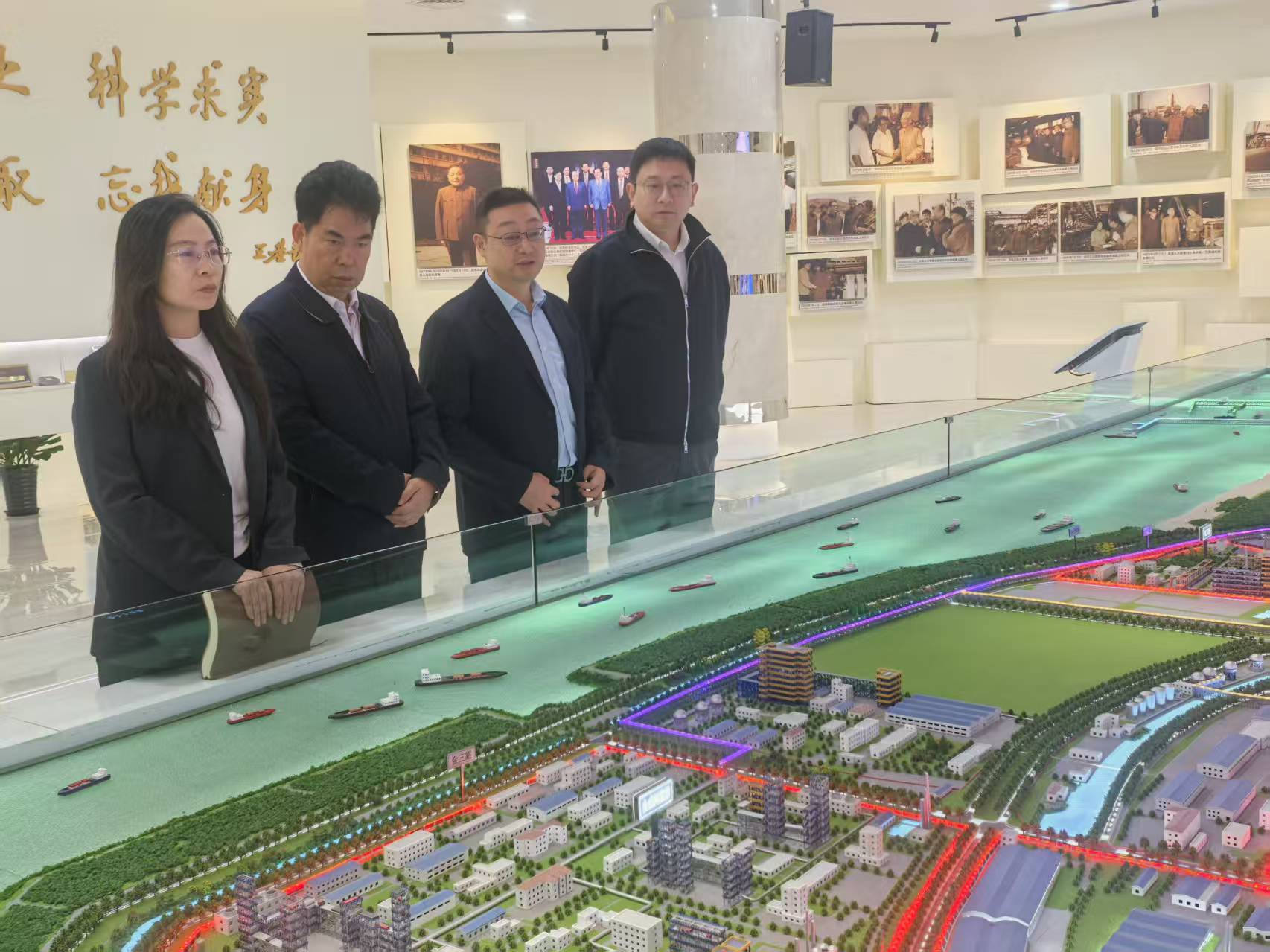
At the Shanghai Petrochemical Exhibition Hall, the school leaders learned in detail about the company’s development history, industrial layout, and technological upgrading directions. The school and Shanghai Petrochemical share the same origin and have advanced side by side, forging a deep friendship through long-term cooperation. During the visit, both sides reviewed the history of school-enterprise cooperation in education and agreed that this relationship, rooted in a shared origin and joint progress, is not only cooperation but also deep integration in culture and emotion. They should further break down the “wall” between the school and the company and push cooperation to greater depth and practical results.
At the seminar, Xu Siyuan introduced the company’s human resources planning and talent demand structure and analyzed the changing trends in recruitment policies and job requirements in the chemical industry. He noted that high-quality development has set higher requirements for frontline technical and skilled talent in terms of professionalism, professional competence, and job adaptability. He hoped that the two sides would strengthen alignment in talent cultivation standards, curriculum system development, and practical teaching organization, and jointly ensure quality at the “entry” and “exit” of talent cultivation.
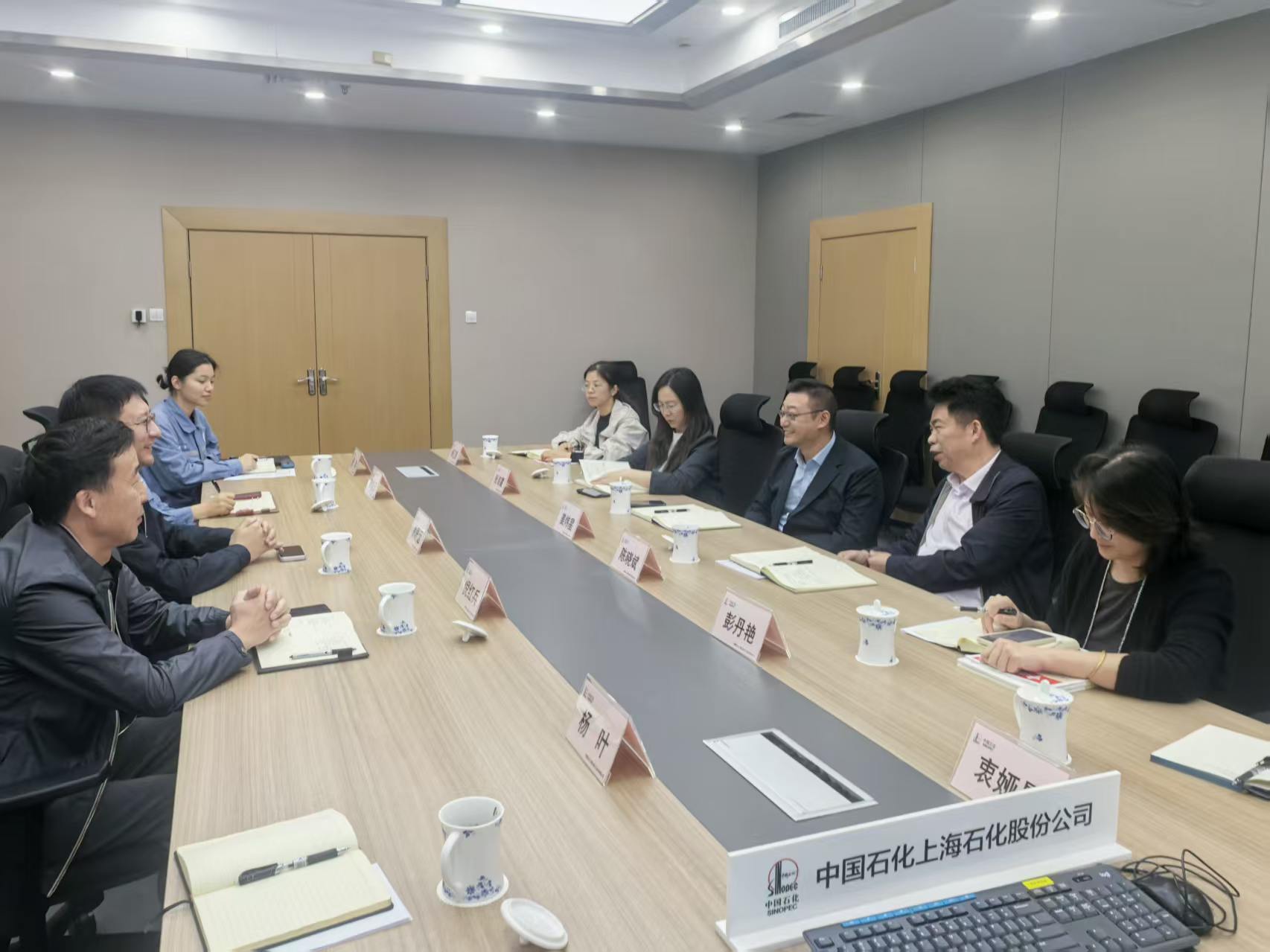
Jiang Weixing expressed gratitude to the company for its long-term strong support for the school’s educational endeavors. He pointed out that the school adheres to the positioning of being rooted in industry and serving industry and is striving to shift talent cultivation toward a model in which “enterprise sets the questions and the school provides the answers,” with targeted cultivation aligned with industrial upgrading directions such as new materials and new technologies. Next, our school will encourage teachers to regularly practice in enterprises, invite enterprise experts to participate in curriculum development and practical training guidance, and accelerate the building of a “double-qualified” teaching staff. At the same time, it will make good use of enterprise facility resources and upgraded training bases, bring real production scenarios into teaching, and effectively bridge the gap between school training and frontline production.
Chen Xiaobin exchanged views on talent cultivation standards and curriculum reform. He said that the chemical industry has clear requirements for students’ professional spirit, psychological quality, and physical fitness. The school will integrate the cultivation of diligence and endurance, discipline, and stress resistance throughout the whole education process, cultivate students’ positive mindset through hobby clubs and mental health education, and strengthen physical training and assessment. In terms of curriculum and assessment, the school will dynamically adjust curricula according to enterprise job requirements, remove content disconnected from actual production, appropriately raise assessment standards, and involve enterprise experts in assessment and evaluation, so that students’ skills can stand the test of frontline production. The two sides also exchanged views on leveraging the school’s manufacturing-side advantages and jointly carrying out technical transformation and industry-commissioned research projects.
This visit is a concrete action by our school to deepen the integration of industry and education and advance the initiative of “visiting enterprises to expand job opportunities.” Next, the school will continue to actively engage with key regional industries and leading enterprises, improve the school-enterprise collaborative education mechanism, and cultivate more high-quality technical and skilled talent for the high-quality development of Shanghai’s chemical industry.
Heads from the School Office, the School of Chemical Engineering, the Admissions and Employment Office, and other relevant departments accompanied the visit.